Understanding Bridge Dental Work: A Comprehensive Guide
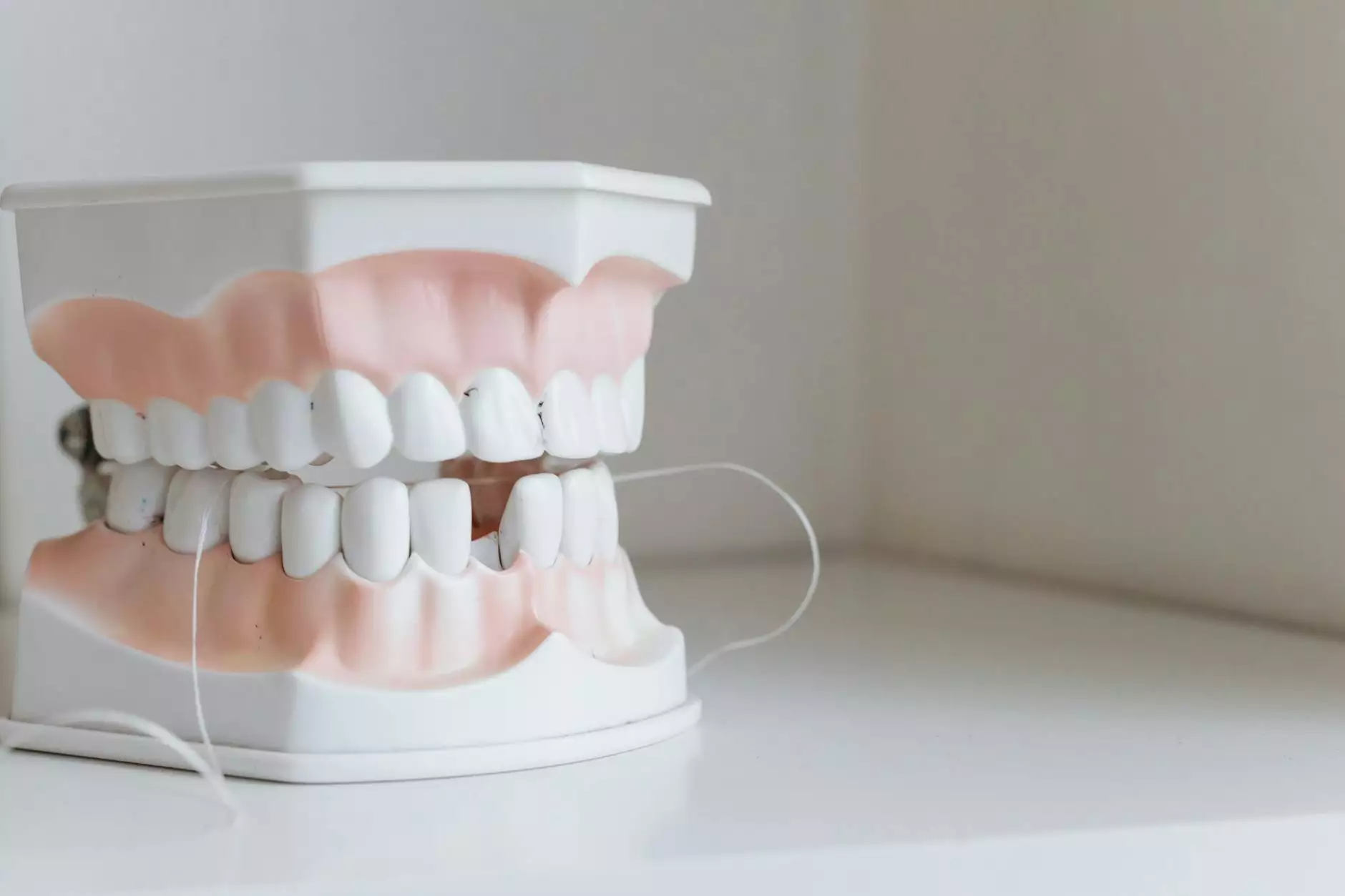
Bridge dental work is a vital solution for those who have lost one or more teeth and are seeking an effective way to restore both function and aesthetics to their smile. This comprehensive guide will delve deeply into the nuances of bridge dental work, covering its types, benefits, procedures, and everything you need to make informed decisions about your oral health.
What is Bridge Dental Work?
Bridge dental work, commonly referred to simply as a dental bridge, is a restorative dental procedure that fills the gap created by one or more missing teeth. This treatment involves using a prosthetic tooth, or pontic, anchored by dental crowns placed on the adjacent teeth or implants. The goal is to recreate both the appearance and function of natural teeth, providing patients with improved oral health and confidence.
Types of Dental Bridges
Understanding the different types of dental bridges is crucial to selecting the right option for your needs. Let's explore the most popular types:
1. Traditional Dental Bridges
Traditional bridges are the most common type and involve two or more crowns for the teeth on either side of the missing tooth with a pontic in between. This option typically requires the adjacent teeth to be filed down to accommodate the crowns.
2. Cantilever Bridges
Cantilever bridges are used when there is only one adjacent tooth supporting the prosthetic. This type of bridge is less common but is effective in specific situations, such as when the surrounding teeth are not suitable for supporting a bridge.
3. Maryland Bridges
Maryland bridges utilize a framework of metal or porcelain to support the pontic, which is bonded to the back of adjacent teeth. This option is minimally invasive and often used for front teeth where aesthetics is particularly important.
4. Implant-Supported Bridges
Implant-supported bridges are anchored to dental implants rather than natural teeth. This is often seen as a more stable and permanent solution, particularly when multiple teeth need to be replaced. The implants serve as the roots, providing strong support for the bridge.
The Importance of Bridge Dental Work
Bridge dental work plays a significant role in maintaining not just aesthetic appeal, but also overall oral health. Here are some invaluable reasons why you should consider a dental bridge:
- Restoration of Function: Losing teeth can severely impact your ability to chew and speak clearly. A dental bridge restores your ability to perform these essential functions.
- Preventing Teeth Shifting: When teeth are missing, the surrounding teeth may shift into the gap, which can lead to alignment issues and further dental complications. A bridge helps maintain proper alignment.
- Aesthetic Improvement: Dental bridges can significantly enhance your smile and facial structure, boosting your confidence and self-esteem.
- Support for Facial Structure: Missing teeth can lead to a sunken facial appearance. A bridge helps support the structure of your face, preventing sagging.
- Ease of Maintenance: Bridges can be cared for much like natural teeth, requiring regular brushing, flossing, and dental check-ups, making them a practical option for many patients.
Key Benefits of Bridge Dental Work
The benefits of bridge dental work extend beyond aesthetics, significantly enhancing an individual's quality of life. Here’s a detailed look at some of the key advantages:
1. Customization
Bridge dental work can be tailored to fit your specific dental needs, providing a personalized solution that ensures comfort and optimal aesthetics. Whether opting for a traditional bridge or an implant-supported bridge, the procedure can accommodate individual preferences and requirements.
2. Durability and Longevity
Dental bridges are designed to withstand daily wear and tear. With proper care, they can last over a decade or more, making them a cost-effective solution compared to other restorative options.
3. Quick Procedure
The process of getting a bridge usually involves two or three visits to the dentist, making it a relatively quick solution to restoring missing teeth compared to alternatives like dental implants, which may require several months for healing.
4. Minimal Surgery
Compared to dental implants, which require surgical insertion into the jawbone, traditional and Maryland bridges involve less invasive procedures, making them suitable for patients who may not be candidates for surgery.
Bridge Dental Work Procedure: What to Expect
Understanding the bridge dental work procedure can help alleviate anxiety and prepare you for the process. Here is a step-by-step overview:
Step 1: Initial Consultation
During your first appointment, your dentist will evaluate your oral health, take X-rays, and discuss your options. They'll provide recommendations based on your specific needs.
Step 2: Tooth Preparation
If you opt for a traditional bridge, the adjacent teeth will need to be prepared by filing them down to accommodate crowns. This is a crucial step, as the crowns will support the bridge.
Step 3: Impressions
Your dentist will take impressions of your teeth, which will be used to create a custom bridge that fits your mouth perfectly. This also includes selecting the right shade for aesthetic purposes.
Step 4: Temporary Bridge
While your permanent bridge is being made, your dentist may place a temporary bridge to protect your gums and remaining teeth.
Step 5: Fitting the Permanent Bridge
Once the permanent bridge is ready, you'll return to the dentist's office to have it fitted. Your dentist will make any necessary adjustments to ensure it fits comfortably and looks natural.
Step 6: Follow-Up Care
A follow-up appointment may be scheduled to ensure that the bridge is functioning well and your mouth is adjusting appropriately. It's vital to maintain good oral hygiene practices for longevity.
Caring for Your Dental Bridge
Once you've had bridge dental work, taking proper care of your bridge is essential to ensure its longevity and functionality. Here are some care tips:
- Maintain Oral Hygiene: Brush and floss regularly to prevent decay and gum disease. Be sure to clean around the bridge and under the pontic to remove plaque buildup.
- Regular Dental Visits: Schedule regular check-ups with your dentist to monitor the condition of your bridge and overall oral health.
- Avoid Hard Foods: Chewing hard foods can dislodge or damage the bridge; try to avoid very hard substances.
- Use a Night Guard: If you grind your teeth at night, consult with your dentist about a night guard to protect your dental bridge.
Potential Risks and Complications
As with any dental procedure, there can be risks and complications associated with bridge dental work. While they are generally safe, it’s essential to be aware of potential issues, such as:
- Allergic Reactions: Some patients may experience allergic reactions to the materials used in the bridge.
- Decay of Adjacent Teeth: If proper hygiene is not maintained, the teeth supporting the bridge may decay, leading to further dental issues.
- Bridge Dislodgement: A poorly fitted bridge may dislodge or come loose; therefore, timely follow-up visits are crucial.
- Gum Inflammation: If not cleaned properly, inflammation can occur around the bridge, leading to discomfort.
Finding the Right Provider for Your Bridge Dental Work
Choosing a competent dental professional is crucial for successful bridge dental work. Here are some tips for selecting the right dentist:
- Check Qualifications: Ensure your dentist has the necessary qualifications, certifications, and experience in restorative dentistry.
- Read Reviews: Look for reviews and testimonials from previous patients to gauge the quality of care and service provided.
- Consultation: Schedule a consultation to discuss your needs, ask questions, and assess their approach and comfort level.
- Technology and Techniques: Inquire about the technology and materials used for bridges to ensure modern, effective options are available.
Conclusion
In conclusion, bridge dental work is an effective and versatile solution for individuals dealing with missing teeth. The benefits extend beyond aesthetics to encompass improved functionality and long-term oral health. Whether you are considering a traditional bridge, cantilever bridge, or an implant-supported bridge, understanding the process and care involved can empower you to make informed decisions. Remember, investing in your dental health is investing in your overall well-being—so take the first step towards your ideal smile today!
For those in need of a trusted dental provider for bridge dental work, look no further than 92 Dental. With a commitment to patient care and effective solutions, our team is here to help you achieve a healthier, brighter smile.