Understanding the In Office Hysteroscopy Procedure
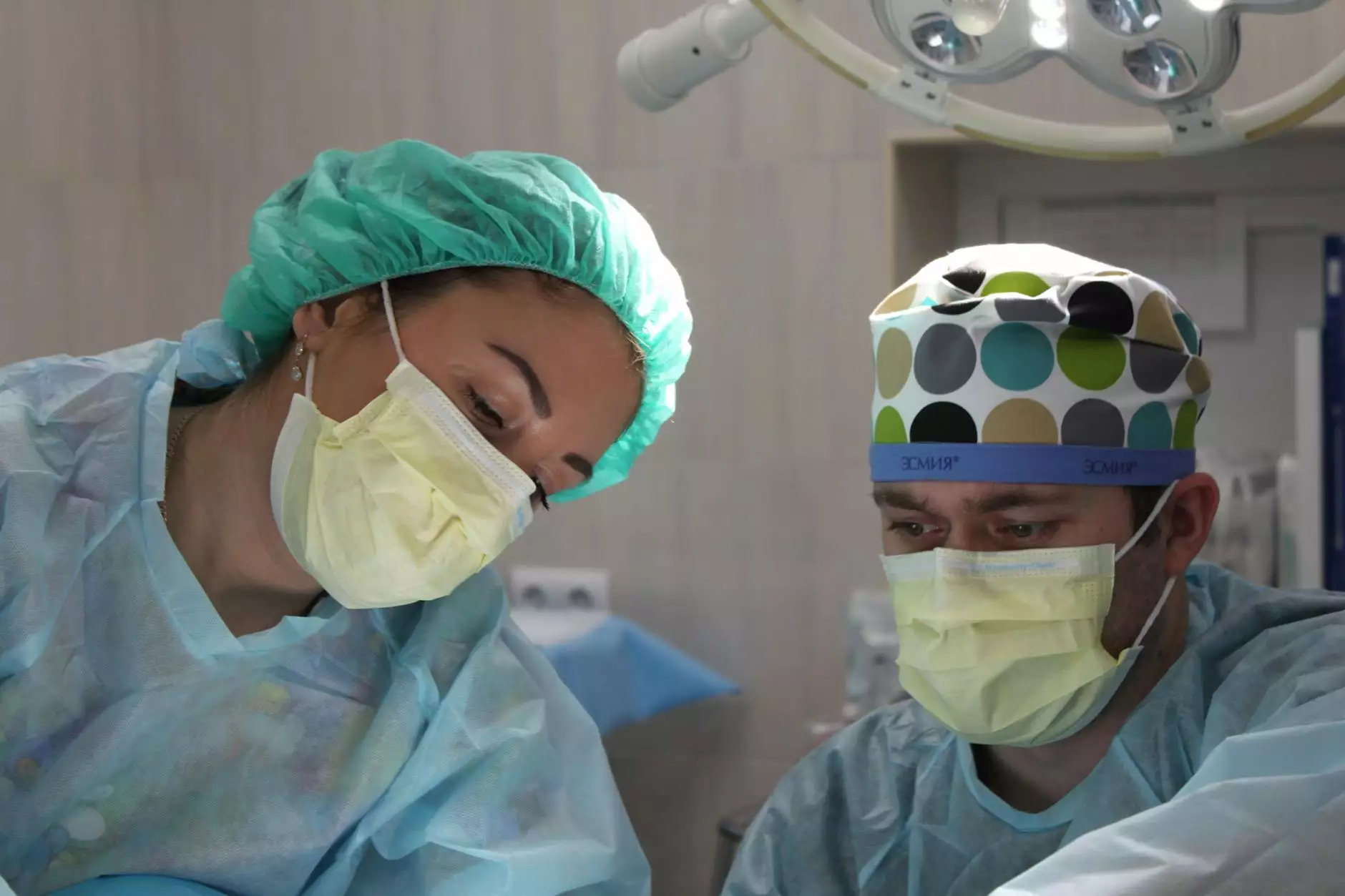
The in office hysteroscopy procedure has revolutionized the way healthcare professionals diagnose and treat uterine conditions. This minimally invasive technique offers patients numerous benefits, allowing for comfort and convenience while ensuring comprehensive evaluation of the uterine cavity. In this article, we will delve into the specifics of the procedure, its advantages, and what patients can expect.
What is Hysteroscopy?
Hysteroscopy is a procedure that allows a doctor to look inside the uterus using a thin, lighted tube called a hysteroscope. This device is inserted through the vagina and cervix and provides a clear view of the uterine lining. The in office hysteroscopy procedure takes this technology and implements it in a way that minimizes the need for extensive sedation and hospital stays.
Why Choose In Office Hysteroscopy?
Choosing an in office hysteroscopy procedure presents several compelling advantages:
- Accessibility: Patients can receive care in a comfortable office environment rather than a hospital.
- Reduced Recovery Time: Most patients can resume their daily activities shortly after the procedure.
- Cost-Effectiveness: In-office procedures often cost less than those performed in outpatient surgical centers.
- Immediate Results: Physicians can often provide instant feedback on findings, allowing for quicker treatment decisions.
Who Should Consider In Office Hysteroscopy?
The in office hysteroscopy procedure is suitable for various conditions, including but not limited to:
- Abnormal uterine bleeding
- Uterine fibroids
- Polyps
- Endometrial hyperplasia
- Infertility evaluations
The Procedure: What to Expect
During an in office hysteroscopy procedure, patients can expect the following process:
- Preparation: Before the procedure, the physician will discuss medical history and provide information about what to expect.
- Positioning: Patients will be positioned similarly to a pelvic exam, in a comfortable position with appropriate privacy measures taken.
- Administering Anesthesia: A local anesthetic may be used to minimize discomfort. In some cases, oral sedatives are also available.
- Inserting the Hysteroscope: The hysteroscope is gently inserted through the cervix into the uterus, where it will provide a clear view of the uterine cavity.
- Evaluation: The physician examines the uterus for any abnormalities, using saline to distend the cavity for a better view.
- Biopsies or Treatments: If necessary, small instruments can be passed through the hysteroscope to obtain biopsies or remove polyps or fibroids.
- Conclusion: After the examination, the hysteroscope is removed, and patients can discuss findings with their physician immediately.
Benefits of the In Office Hysteroscopy Procedure
The implementation of the in office hysteroscopy procedure presents both patients and healthcare providers with numerous benefits:
Convenience and Comfort
Patients often find the atmosphere of a doctor's office less intimidating than a hospital setting. This can significantly reduce the anxiety associated with medical procedures.
Enhanced Safety
As a minimally invasive procedure, the risks associated are significantly lower than those of traditional surgical procedures. Most patients experience little to no downtime.
Precision in Diagnosis
The ability to quickly visualize and evaluate uterine conditions allows for accurate diagnoses, enabling quicker intervention and management plans.
Potential Risks and Considerations
While the in office hysteroscopy procedure is generally safe, it is essential to consider potential risks:
- Infection
- Excessive bleeding
- Uterine perforation (rare)
- Adverse reactions to anesthesia
Patients should discuss these risks with their healthcare provider to ensure an informed decision-making process.
Post-Procedure Care
After undergoing the in office hysteroscopy procedure, patients can take the following steps for optimal recovery:
- Take it Easy: While many patients can return to daily activities, it is advisable to rest for the remainder of the day.
- Monitor Symptoms: Watch for any fever, excessive bleeding, or unusual pain, which should be reported to a physician immediately.
- Follow-Up Appointments: Schedule any follow-up visits as recommended to ensure proper recovery and to discuss findings.
How to Prepare for In Office Hysteroscopy
Preparation for the in office hysteroscopy procedure can help ensure the best outcomes:
- Consultation: Discuss your medical history and any medications you are taking with your doctor.
- Follow Pre-Procedure Instructions: Your healthcare provider may provide specific instructions, such as avoiding certain medications or dietary restrictions.
- Support System: Consider bringing along a friend or family member for emotional support.
Conclusion
The in office hysteroscopy procedure is an innovative and effective solution for diagnosing and treating various uterine conditions. Its minimal invasiveness, coupled with the immediate feedback from physicians, allows for a streamlined patient experience that prioritizes comfort and accuracy. As a leader in this field, Dr. Seckin and his team at drseckin.com exemplify the commitment to delivering high-quality women's health care experiences.
Patients considering undergoing an in office hysteroscopy procedure should consult with their healthcare provider to determine if this approach is suitable for their unique health needs. With the advancements in medical technology and patient-focused practices, this procedure embodies the future of women’s health care, combining convenience, safety, and efficiency.