Unleashing Excellence in Firearms: Your Comprehensive Guide to Guns, Training, and Ranges
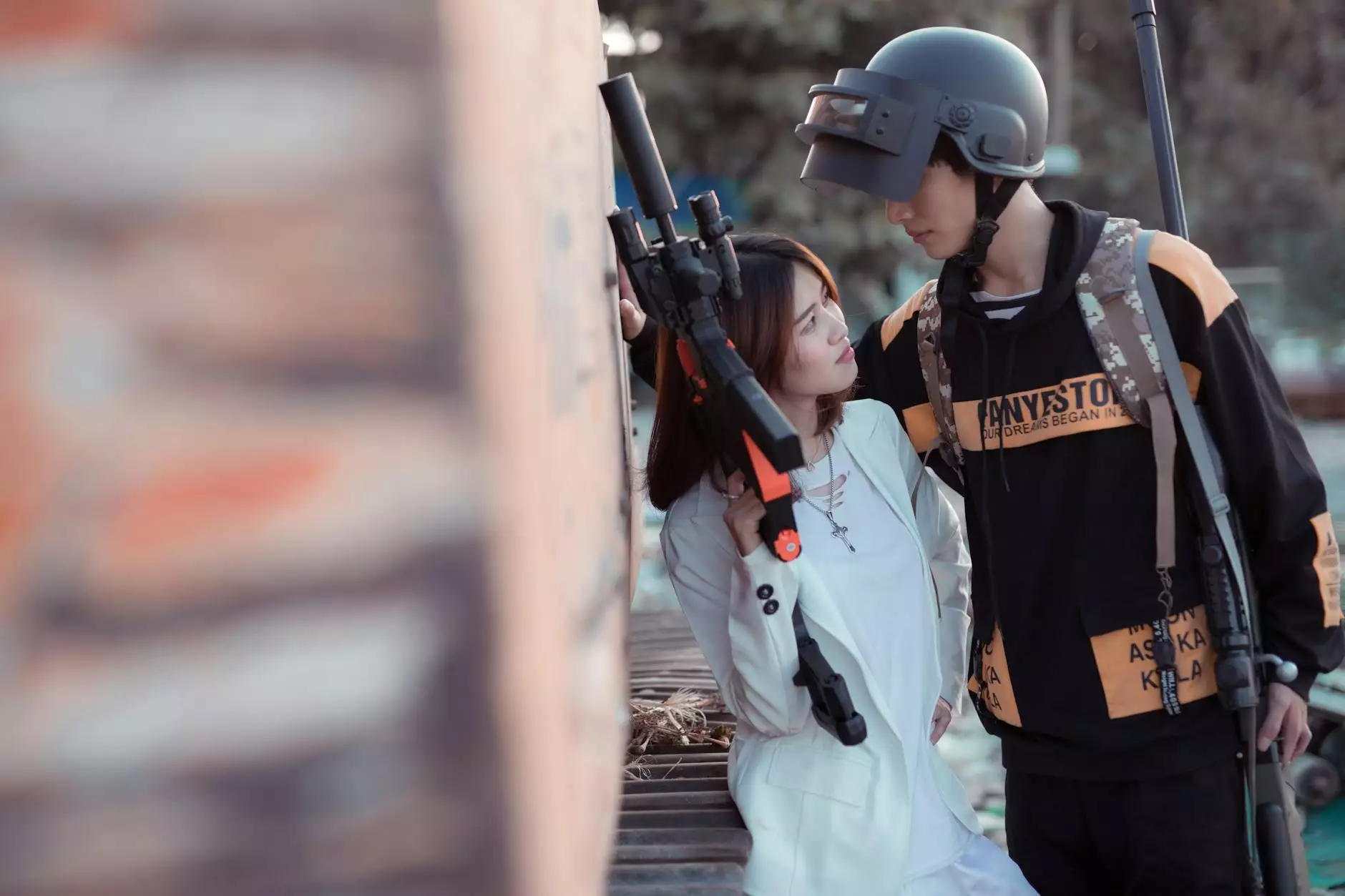
The world of firearms is as diverse as it is intricate. The right knowledge, coupled with thorough training, identifies the difference between amateur and proficient firearm handling. This article serves as your ultimate guide, exploring the major facets of the firearms industry—knowledgably focusing on Guns & Ammo, Gun/Rifle Ranges, and Firearm Training. Buckle up as we navigate through essential insights designed to enhance your skills and enrich your understanding.
The Fascinating World of Guns & Ammo
When it comes to firearms, understanding guns and ammunition is paramount. Each weapon has its own characteristics, and knowing the right ammunition can significantly affect performance and safety.
Types of Guns
Guns can be broadly classified into several categories based on functionality, application, and design. Here are the major types:
- Handguns: Compact and designed for easy carry, handguns include revolvers and semi-automatics. Ideal for personal defense.
- Rifles: Known for accuracy at distance, rifles are suitable for hunting, competition shooting, and tactical purposes.
- Shotguns: With versatility in shells and applications ranging from home defense to hunting, shotguns are a central piece in firearm collections.
- Machine Guns: Fully automatic firearms primarily used in military applications.
Understanding Ammunition
A significant aspect of firearm safety and performance revolves around the selection of the right ammunition. Here’s a breakdown:
- Caliber: The diameter of the bullet impacts the gun’s performance and the intended target.
- Type: Varied types exist such as full metal jacket (FMJ), hollow points (HP), and subsonic rounds, each serving specific purposes.
- Grains: The weight of the projectile can influence speed and impact, an essential aspect to consider depending on your shooting objectives.
Choosing the Right Gun
Selecting the right firearm can be overwhelming, especially for newcomers. Here are some critical factors to consider:
- Purpose: Define what purpose the gun will serve—self-defense, hunting, or sport shooting?
- Comfort: Ensure the gun is comfortable for you to handle. The right grip and weight are crucial for accurate shooting.
- Budget: High-quality firearms come at various price points. It’s essential to find a balance between quality and affordability.
- Legal Considerations: Be aware of local laws and regulations regarding firearm ownership and usage.
Gun/Rifle Ranges: Elevating Your Skills
Once you have selected your firearm, the next step is practicing at a gun/rifle range. These facilities are essential for honing your shooting skills safely and effectively.
Types of Gun Ranges
Gun ranges can be classified into various categories, each providing different experiences:
- Indoor Ranges: Ideal for year-round practice, these ranges offer a controlled environment shielded from the elements.
- Outdoor Ranges: Providing a varied terrain, outdoor ranges typically accommodate long-range shooting and different shooting positions.
- Private Ranges: These are often owned by individuals or clubs, offering exclusive access but may require membership.
Benefits of Using a Gun Range
Engaging with a gun range offers numerous benefits, enhancing both skill and knowledge:
- Safety: Professional ranges maintain strict safety protocols to ensure a secure shooting environment.
- Expert Guidance: Many ranges provide access to qualified instructors who can offer personalized training and advice.
- Diverse Shooting Experiences: Ranges often offer various scenarios and target options, assisting in skill diversification.
Firearm Training: A Requirement for Responsible Ownership
Training is arguably the most essential component of responsible firearm ownership. Knowledge without practice is insufficient, and effective training programs can provide you with the necessary skills and confidence. Here are the crucial aspects of firearm training:
Types of Firearm Training Programs
Training programs vary widely depending on the needs and goals of the participants:
- Basic Firearm Safety Courses: Focus on the fundamental principles of firearm safety.
- Advanced Marksmanship Training: Tailored for those looking to improve their accuracy and shooting techniques.
- Defensive Shooting Courses: Emphasize practical scenarios and tactical responses in live situations.
- Competitive Shooting Training: Prepares participants for participation in various shooting competitions.
What to Expect in Firearm Training
During your firearm training sessions, participants can expect:
- Theoretical Knowledge: Understanding the mechanics of firearms, ballistics, and legal considerations.
- Hands-on Training: Actual shooting practice under the guidance of certified instructors.
- Feedback and Assessment: Continuous evaluation to identify areas of improvement and track progress.
The Importance of Continuous Learning
Just as other skills demand regular practice and learning, proficiency with firearms requires ongoing education. Attending workshops, advanced courses, and regular practice at ranges can help reinforce your skills and adapt to new regulations or updates in the industry.
Conclusion: Committing to Safe and Responsible Firearm Ownership
In summary, engaging with Guns & Ammo, utilizing Gun/Rifle Ranges, and investing in Firearm Training are key steps to ensuring you become a responsible and skilled firearm owner. Whether you're a novice eager to learn or an experienced shooter seeking to improve, the vast resources available at kmtactical.net provide invaluable insights and opportunities. Revolutionize your shooting experience by embracing comprehensive training and always prioritizing safety. Remember, the journey of becoming a proficient shooter is continuous and should be approached with dedication and respect.
https://kmtactical.net/