What Causes Edema in Lower Legs?
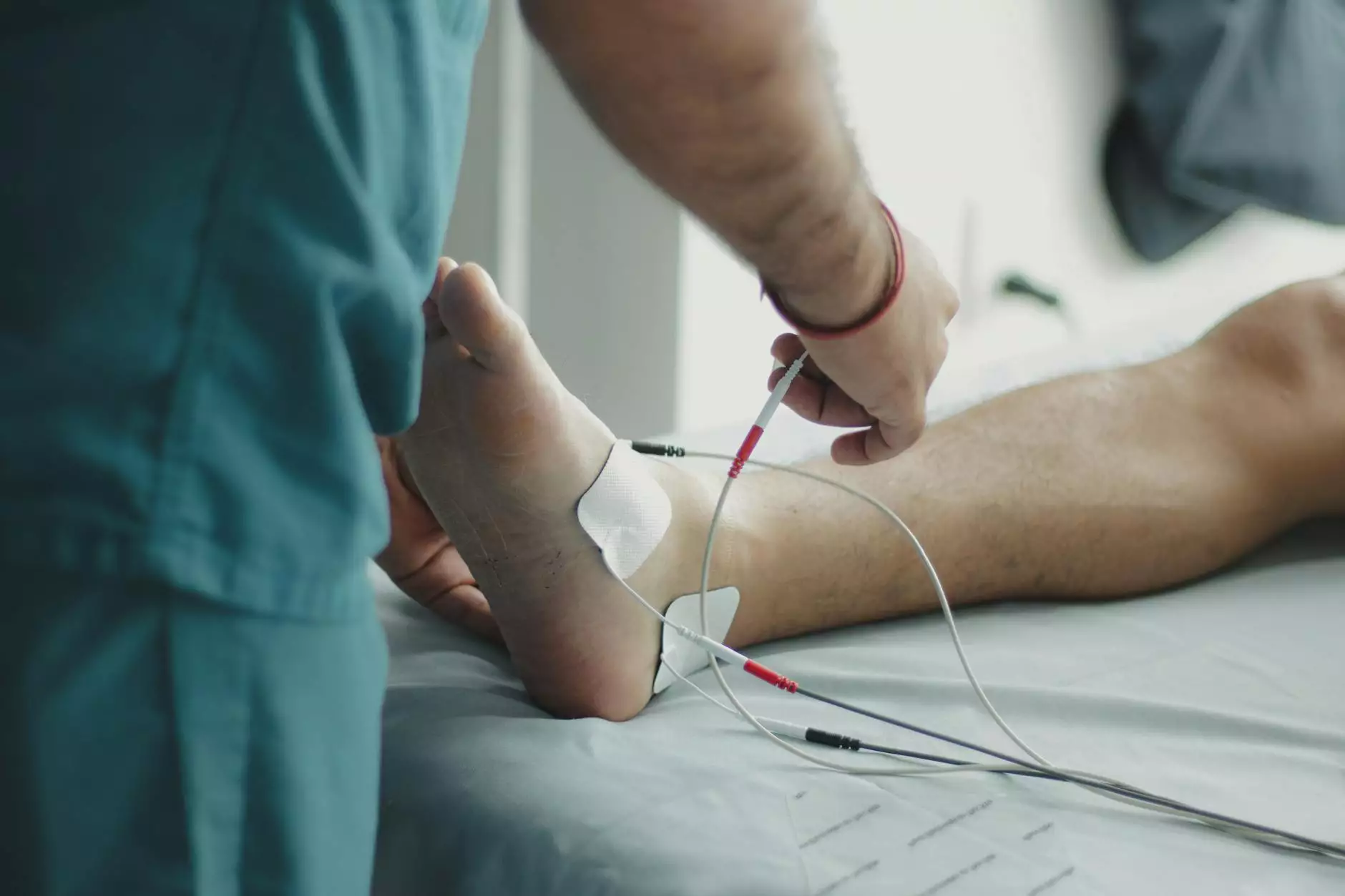
Edema, often characterized by swelling in the lower legs, is a common condition that many individuals experience at some point in their lives. Understanding what causes edema in lower legs is crucial for effectively managing this condition and seeking appropriate treatment. In this article, we will delve into the various factors contributing to edema, the implications it has on health, and how professionals at Truffles Vein Specialists can provide assistance.
Defining Edema
Edema is the medical term for swelling, which occurs when excess fluid accumulates in the body’s tissues. Although it can occur anywhere in the body, it is most commonly observed in the lower extremities, particularly in the legs and ankles. The accumulation of fluid can lead to discomfort, mobility issues, and aesthetic concerns, making it important to address the underlying causes.
Common Causes of Edema in Lower Legs
Identifying the causes of edema in lower legs is the first step towards appropriate treatment. Below are some of the common contributors:
1. Venous Insufficiency
One of the primary causes of edema in the lower legs is venous insufficiency. This condition occurs when the veins are unable to pump blood efficiently back to the heart. The resulting pressure causes fluid to leak into the surrounding tissues, leading to swelling. Factors such as age, obesity, and a history of blood clots can increase the likelihood of developing venous insufficiency.
2. Heart Failure
Heart failure can also result in edema, particularly in the legs. When the heart is unable to pump effectively, blood can pool in the lower extremities due to gravity. People with chronic heart conditions should monitor their fluid retention and report significant changes to their healthcare providers.
3. Kidney Problems
The kidneys play a vital role in fluid regulation. Kidney disease may impair their ability to eliminate excess fluid and waste from the body. As a result, individuals might experience swelling in various parts of the body, including the lower legs.
4. Liver Disease
Cirrhosis and other forms of liver disease can lead to decreased protein production, causing fluid to leak out of blood vessels and accumulate in the tissues. Edema often manifests as swelling in the legs and abdomen.
5. Lifestyle Factors
Certain lifestyle factors also contribute to lower leg edema. These include:
- Prolonged Sitting or Standing: Remaining in one position for extended periods can hinder blood circulation, leading to fluid retention.
- Poor Diet: High sodium intake can cause the body to retain water.
- Inactivity: A sedentary lifestyle may exacerbate fluid pooling in the extremities.
Other Medical Conditions Associated with Edema
Many conditions can influence the onset of edema in the lower legs beyond the more common causes. Some of these include:
1. Allergic Reactions
Unexpected allergic reactions can cause localized swelling, including the legs, particularly in response to insect bites or food allergies.
2. Medications
Some medications can induce edema as a side effect. Common culprits include:
- Calcium Channel Blockers: Used for hypertension.
- Non-steroidal Anti-inflammatory Drugs (NSAIDs): Such as ibuprofen and naproxen.
- Hormonal Therapies: Including those used in hormone replacement therapy.
3. Pregnancy
During pregnancy, the body undergoes various changes, including increased fluid retention. Hormonal changes and pressure from the growing uterus can contribute to edema, particularly in the later stages of pregnancy.
Diagnosis of Lower Leg Edema
To properly address what causes edema in lower legs, a thorough diagnosis is essential. Healthcare providers often use a combination of the following methods:
- Physical Examination: Physicians will assess the swelling’s extent and other associated symptoms.
- Medical History Review: A complete review of the patient’s health history and current medications.
- Diagnostic Tests: Blood tests, urine tests, or imaging studies (like ultrasounds) may be necessary to determine underlying conditions.
Treatment Options for Edema
Effective treatment of lower leg edema depends on addressing the underlying cause. Some options include:
1. Lifestyle Modifications
Making simple changes to daily habits can significantly improve symptoms:
- Exercise: Regular physical activity helps promote circulation.
- Dietary Adjustments: Reducing sodium intake and maintaining a balanced diet can help manage fluid retention.
- Elevating Legs: Keeping legs elevated can reduce swelling.
2. Compression Therapy
Compression stockings are often recommended to improve venous return and reduce swelling. These specially designed garments apply pressure to the legs, helping to maintain blood flow and reduce fluid accumulation.
3. Medications
If edema is linked to a medical condition such as heart failure, doctors may prescribe medications to manage those conditions effectively. Diuretics, commonly referred to as "water pills," may be prescribed to help the body eliminate excess fluid.
4. Surgical Options
In severe cases where non-invasive treatments are ineffective, surgical options may be considered. Procedures can include the removal of excess fluid or surgery to correct underlying vascular issues.
Prevention of Edema in Lower Legs
Preventative measures can significantly lower the risk of developing edema. Here are some effective strategies:
- Stay Active: Engage in regular physical activities, such as walking or cycling, to promote healthy circulation.
- Limit Salt Intake: Focus on a low-sodium diet to help reduce the risk of fluid retention.
- Monitor Weight: Maintaining a healthy weight can alleviate excess pressure on veins.
- Hydration: Drinking enough water facilitates proper kidney function and helps manage fluid retention.
Conclusion
Understanding what causes edema in lower legs is vital for recognizing when to seek medical help and how to manage the condition effectively. From lifestyle changes to medical intervention, many avenues are available to address lower leg edema. If you experience persistent or severe swelling, consider consulting with a healthcare professional, such as those at Truffles Vein Specialists, who can provide guidance tailored to your specific needs.