Understanding Shoulder Abduction to 90 Degrees: Importance and Rehabilitation
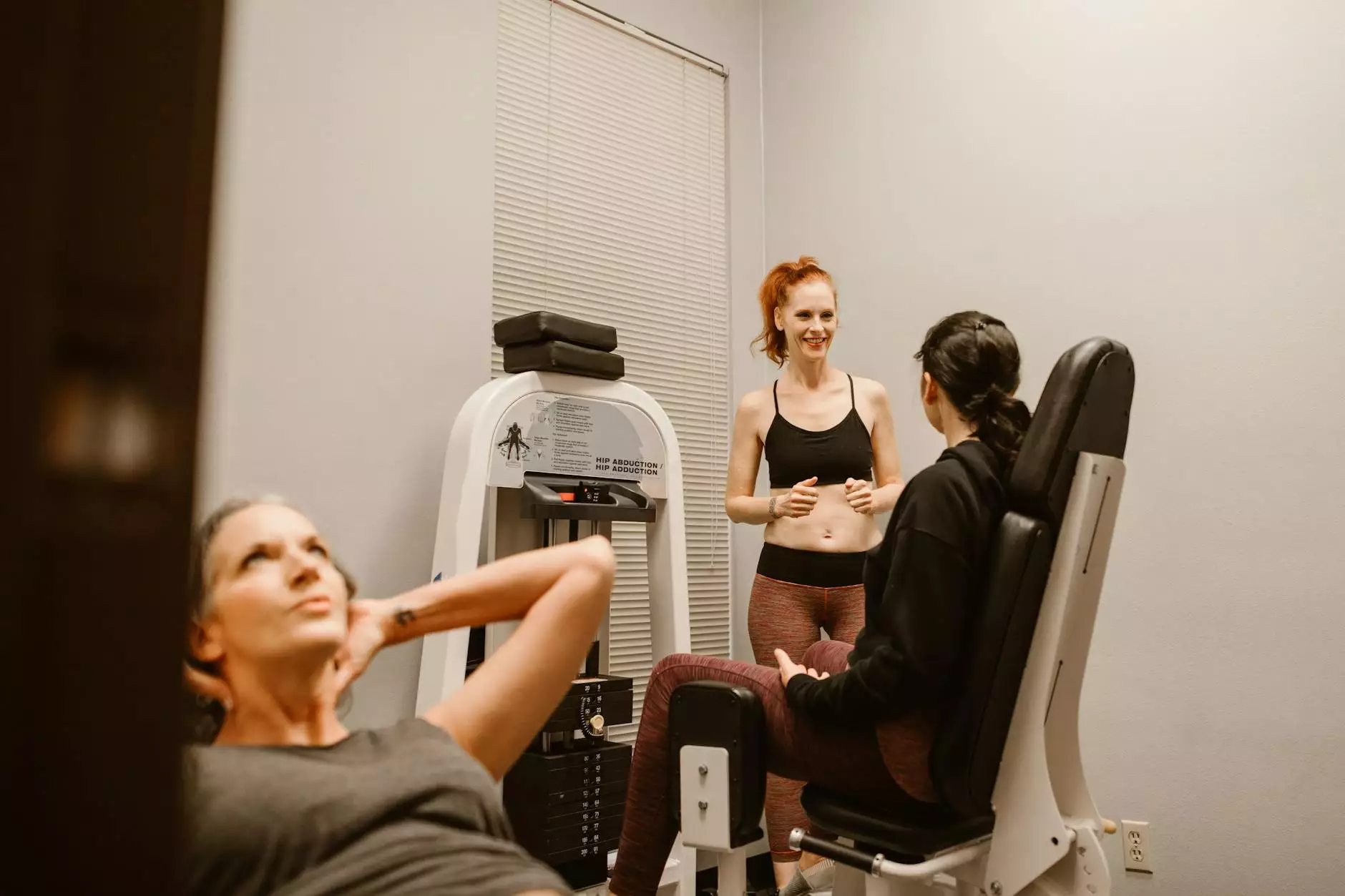
The shoulder abduction to 90 degrees is a fundamental motion that holds significant importance in various fields, including health and medical practices. This motion primarily involves raising the arm sideways away from the body. Understanding its mechanics and rehabilitation is essential for professionals, particularly those in the fields of education, chiropractic care, and physiotherapy.
The Anatomy Behind Shoulder Abduction
To fully grasp the significance of shoulder abduction to 90 degrees, it’s imperative to understand the anatomy involved in this movement. The shoulder joint, known as the glenohumeral joint, is a ball-and-socket joint that allows a wide range of motion.
The primary muscles involved in shoulder abduction include:
- Deltoid Muscle: This muscle is the primary mover for shoulder abduction and is divided into three parts - anterior, lateral, and posterior.
- Supraspinatus: Part of the rotator cuff, this muscle assists the deltoid in initiating the abduction.
- Trapezius: While its main function is in scapular movement, it plays a supportive role during shoulder abduction, particularly beyond 90 degrees.
- Serratus Anterior: Important for stabilizing the shoulder blade during the movement.
Importance of Shoulder Abduction to 90 Degrees
The ability to perform shoulder abduction to 90 degrees is crucial in everyday actions. Whether reaching for an object on a high shelf or performing various sports-related activities, this motion contributes to functional independence. Here’s why this movement is significant:
Functional Implications
Many daily activities require effective shoulder abduction. For instance:
- Reaching overhead
- Lifting and carrying objects
- Participating in sports (e.g., swimming, tennis, basketball)
Rehabilitation and Recovery
For individuals recovering from shoulder injuries, regaining the ability to perform shoulder abduction to 90 degrees is often a primary goal of physical therapy. This motion is significant in:
- Assessing Shoulder Functionality: Ensuring the shoulder can perform basic movements during rehabilitation.
- Preventing Complications: Limiting long-term damage and promoting healing by progressively restoring movement.
- Enhancing Quality of Life: Allowing individuals to return to their regular activities and improve overall mobility.
Common Conditions Affecting Shoulder Abduction
Several conditions can impact the ability to perform shoulder abduction to 90 degrees. Understanding these conditions is vital for healthcare providers. Some of the most common issues include:
Rotator Cuff Injuries
The rotator cuff consists of muscles and tendons that stabilize the shoulder joint. Injuries to this area can greatly limit shoulder abduction, causing pain and functional impairment.
Shoulder Impingement Syndrome
This condition occurs when the tendons of the rotator cuff become irritated and inflamed, causing painful movements, especially during abduction.
Adhesive Capsulitis (Frozen Shoulder)
Characterized by stiffness and pain, frozen shoulder severely restricts the range of motion, impacting the ability to perform shoulder abduction.
Assessment of Shoulder Abduction to 90 Degrees
Assessing the ability to perform shoulder abduction to 90 degrees is often conducted through physical examinations and specific tests. Here are some common methods:
Visual Observation
During the initial assessment, healthcare providers often observe the patient's ability to raise their arm sideways while noting any compensatory movements.
Active Range of Motion (AROM) Tests
Patients are asked to actively lift their arms to assess their range of motion objectively. Any deviation from the ideal 90-degree angle may indicate impairment.
Strength Testing
Evaluating the strength of the deltoid and rotator cuff muscles can also provide insight into potential issues affecting shoulder abduction.
Rehabilitation Exercises Focused on Shoulder Abduction
Once a condition is diagnosed, rehabilitation exercises may be prescribed. These exercises focus on improving strength, flexibility, and the overall range of motion of the shoulder. Here are several key exercises beneficial for restoring shoulder abduction:
1. Pendulum Exercise
This simple exercise encourages gentle movement of the shoulder joint while promoting blood flow without placing stress on the joint.
2. Wall Slides
This exercise involves standing against a wall and sliding the arms up and down, which helps improve mobility in shoulder abduction.
3. Band External Rotation
Using resistance bands can help strengthen the rotator cuff muscles essential for maintaining proper shoulder function.
4. Lateral Raises
As strength improves, lateral raises with light weights can directly target the deltoids, enhancing the ability to perform shoulder abduction.
The Role of Chiropractors in Shoulder Health
Chiropractors play an essential role in managing shoulder health. They utilize various techniques to promote healing, including:
Manual Adjustments
Chiropractic adjustments can help restore proper alignment in the shoulder joint, alleviating pain and improving mobility.
Soft Tissue Therapy
Methods like massage therapy can relax tight muscles, improve blood flow, and enhance the healing process.
Patient Education
Chiropractors often educate patients about proper body mechanics and preventive strategies to avoid future shoulder injuries.
Innovative Technologies in Shoulder Rehabilitation
The integration of technology in rehabilitation has proven invaluable. Here are some innovative tools used in shoulder rehabilitation:
Therapeutic Ultrasound
Applied to the shoulder area, therapeutic ultrasound can promote tissue healing and reduce inflammation.
Electrical Stimulation
This technique can aid in muscle strengthening and pain relief during recovery.
Virtual Reality Therapy
Emerging as a revolutionary tool, virtual reality can provide interactive rehabilitation experiences, making exercise engaging and enjoyable.
Conclusion
In summary, shoulder abduction to 90 degrees is a vital movement with significant implications for daily life and rehabilitation. Understanding the anatomy, assessing conditions, and providing appropriate rehabilitation can lead to successful outcomes for those affected. Additionally, the integration of chiropractic care, therapeutic modalities, and innovative technologies enhances recovery and promotes long-term shoulder health.
As we continue to explore advances in the fields of health and medicine, focusing on essential movements like shoulder abduction will remain critical in ensuring optimal rehabilitation and promoting a healthy, active lifestyle.
For further learning and professional guidance, visit IAOM-US for resources related to health, medical education, and chiropractic practices.