Exploring the Beauty and Impact of Light Installation Art
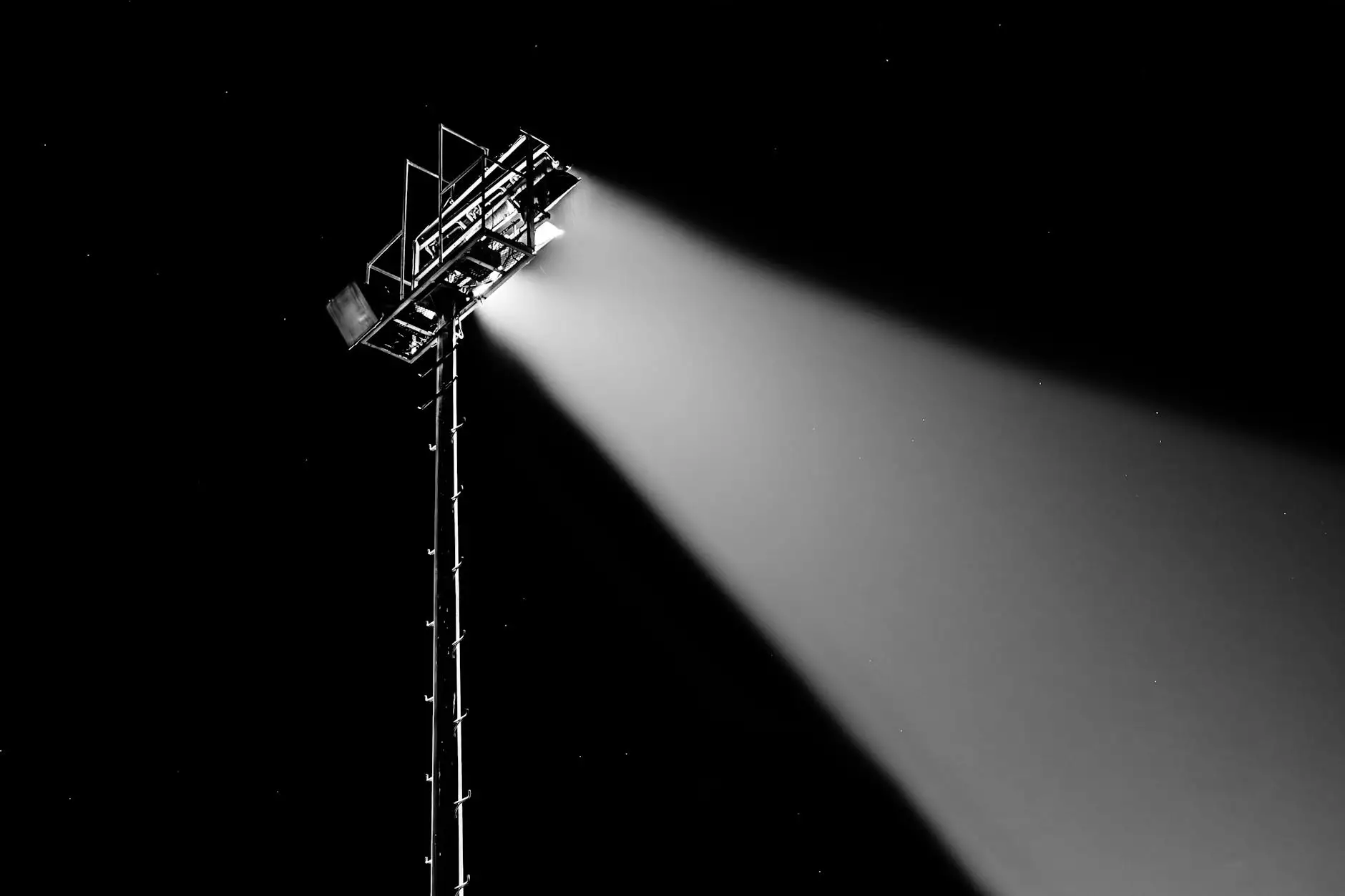
Light installation art represents a fascinating intersection of art and technology, captivating audiences with its ethereal qualities and profound ability to transform spaces. Over the past few decades, artists have increasingly turned to light as a medium, creating immersive experiences that challenge perception and evoke emotion. In this article, we delve deep into the world of light installation art, discussing its history, influence, notable artists, and the unique experiences it offers.
The Evolution of Light Installation Art
The journey of light installation art can be traced back to the mid-20th century, when artists began experimenting with artificial light as a primary medium. This movement was largely influenced by technological advancements and the burgeoning interest in multimedia art forms. Initially, light was used as a tool to enhance sculptures or paintings, but artists soon discovered its potential as an independent art form.
- Lucio Fontana – Known for his 'Spatial Concept' series in the late 1940s, Fontana set the stage for experiential art by manipulating light and space.
- Dan Flavin – A pioneer of light as art, Flavin's work with fluorescent light tubes in the 1960s demonstrated the aesthetic potential of everyday materials combined with light.
- James Turrell – Renowned for his light installations that engage perceptions of space and light, inviting viewers to experience light in a different context.
This evolution has paved the way for the contemporary artists who now create stunning installations that captivate and provoke discussion, bridging gaps between technology and artistic expression.
Understanding the Essence of Light Installation Art
At its core, light installation art is about experiencing space and perception. Unlike traditional art forms that may rely on canvas or sculpture, light installations alter environments and invite audience participation. They can evoke a wide range of emotional responses, from awe to introspection, as they engage multiple senses.
Key Characteristics of Light Installation Art
Light installation art is defined by several key characteristics:
- Transience: These works are often temporary, allowing for a unique experience that may never be replicated.
- Interactivity: Many installations encourage viewer interaction, fostering a participatory art experience.
- Spatial Dynamics: Light installations transform the perception of physical space, altering how audiences see their surroundings.
- Technological Integration: The advent of LED technology and projection has revolutionized light art, allowing for more intricate and dynamic displays.
These attributes contribute to the captivating nature of light installations, enhancing their impact on audiences who encounter them.
Notable Light Installation Artists
Several artists have made significant contributions to the field of light installation art, using their unique perspectives to explore light's transformative power. Below are a few who have gained international acclaim:
Grimanesa Amorós
Here, we must highlight Grimanesa Amorós, whose work combines stunning visuals with cultural narratives. Her installations often incorporate themes of identity, community, and environment, creating immersive experiences that resonate deeply with viewers. Amorós' meticulous attention to detail and her ability to blend light with social commentary make her a standout in the contemporary art scene.
Olafur Eliasson
Another luminary in this field is Olafur Eliasson. His installations often manipulate natural elements, using light to create atmospheric spaces. Eliasson's iconic work, "The Weather Project," turned the Tate Modern into an immersive sunlit environment, demonstrating light's ability to manipulate perception and mood.
Yayoi Kusama
Yayoi Kusama is known for her infinity rooms that use light reflections to create a sense of infinite space. Her work invites viewers to lose themselves in a world where light and color come together in mesmerizing ways.
The Impact of Light Installation Art on Society
The reach of light installation art extends far beyond galleries and museums; it has a profound impact on society as a whole. Here are a few key areas where light installations influence contemporary culture:
1. Urban Spaces
Many cities around the world have embraced light installations as a means of revitalizing public spaces. These works can transform ordinary locations into sites of wonder and engagement, drawing people together and fostering a sense of community. For example, festivals such as the Vivid Sydney transform the city into an outdoor gallery, showcasing light installations that reflect the cultural fabric of the area.
2. Environmental Awareness
Artists often use light installations to raise awareness about environmental issues. By creating pieces that highlight climate change or nature’s fragility, they encourage viewers to reflect on their relationship with the planet. Projects like Eliasson's "Little Sun" utilize light as a medium for social change, promoting renewable energy while showcasing the beauty of light.
3. Mental Health and Well-being
Light has a unique ability to influence human emotions and mental well-being. Installations that utilize light in innovative ways can promote feelings of calmness and positivity. Spaces designed with light installations can serve therapeutic purposes, aiding in the healing process in hospitals or community centers.
The Future of Light Installation Art
The future of light installation art looks bright, with advancements in technology continuously expanding the possibilities. As augmented and virtual reality technologies evolve, artists are now incorporating these tools into their work, creating experiences that blend the physical and digital realms.
1. Interactive Experiences
As audiences become more accustomed to interactive art, we can expect light installations to become even more engaging. Artists will likely integrate sensors that respond to viewer movements, enabling the artwork to change dynamically based on audience interaction.
2. Sustainability
With growing environmental awareness, future installations will likely emphasize sustainability, using eco-friendly materials and energy-efficient lighting technologies. Artists are increasingly focused on creating installations that not only captivate but also contribute positively to the environment.
3. Multidisciplinary Collaborations
Collaboration between artists, scientists, and technologists will become more prevalent. By merging expertise from different fields, artists can create installations that are not only visually stunning but also intellectually stimulating, addressing complex themes related to society and the human experience.
Conclusion
In conclusion, light installation art stands as a powerful testament to the potential of art to transform spaces and influence perceptions. These installations not only enhance our physical environments but also provoke thought and dialogue on crucial issues facing contemporary society. Artists like Grimanesa Amorós lead the charge, crafting immersive experiences that captivate and inspire. As we move forward, the evolution of light installation art promises to illuminate new horizons, enriching our world in ways we have yet to imagine.
For further exploration of breathtaking light installations and the evolving world of art, visit grimanesaamoros.com.