Dental Implants in Turkey Prices - Your Ultimate Guide
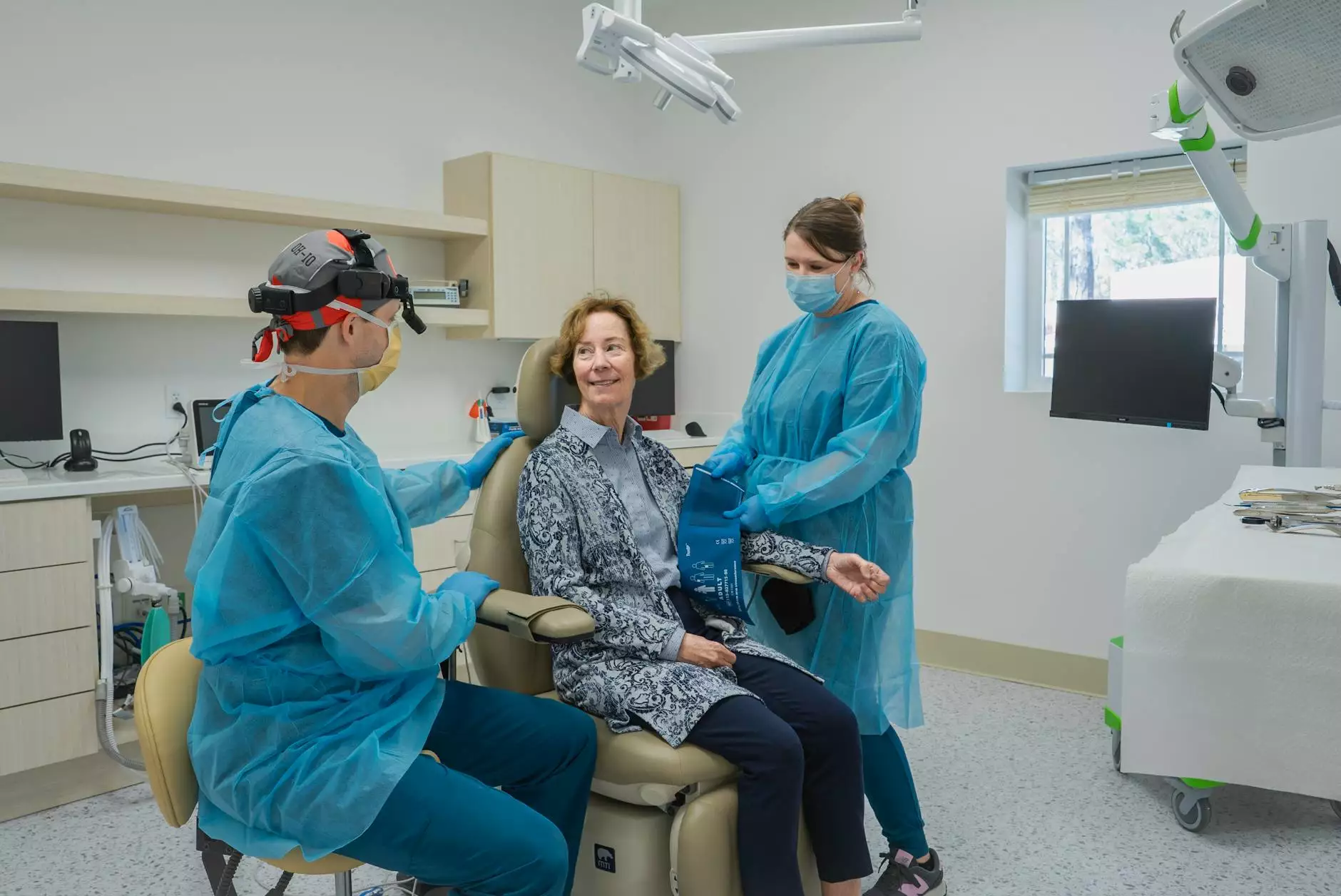
When considering dental implants in Turkey, many potential patients do so because of the affordable prices and high-quality dental care available. Turkey has become one of the leading destinations for dental tourism, attracting individuals from all over the world seeking top-notch dental services at a fraction of the cost they would encounter in their home countries. In this comprehensive guide, we will explore everything you need to know about dental implants in Turkey, including prices, benefits, and what to expect from your experience.
Understanding Dental Implants
Dental implants are a popular solution for people who have lost one or more teeth. These implants serve as artificial roots for replacement teeth and provide a sturdy foundation for fixed or removable teeth that are made to blend in with your natural teeth. Here’s a brief overview of the major components:
- Implant: A titanium post surgically placed into the jawbone.
- Abutment: A connector placed on top of the implant to hold and supports the crown.
- Crown: The prosthetic tooth that looks and functions like a real tooth.
Why Choose Turkey for Dental Implants?
Turkey has rapidly gained a reputation as a leading country for dental treatments, especially for dental implants. Here are some compelling reasons why choosing Turkey is an excellent decision:
1. Affordability
Dental implants in Turkey prices are significantly lower than in many other countries like the United States or the UK. The cost of a single implant, including the crown, typically ranges between $300 to $800, compared to upwards of $3,000 in Western nations. This price difference does not come at the cost of quality, as Turkish dental clinics often boast modern equipment and highly trained professionals.
2. High-Quality Care
Turkey is home to many internationally accredited dental clinics and experienced dentists who specialize in cosmetic dentistry and dental implants. Many Turkish dentists have received their education from prestigious institutions and often participate in continuing education programs. This commitment to quality ensures that you receive the best care possible during your visit.
3. Advanced Technology
Turkish dental clinics utilize cutting-edge technology, including digital imaging and 3D modeling, to enhance the precision of surgeries and provide personalized treatment plans. This technology allows for better outcomes and shorter recovery times for patients.
4. Comprehensive Packages
Many clinics offer all-inclusive packages for dental implants that cover not only the procedure itself but also other essential services, such as:
- Airport transfers
- Accommodation
- Post-operative care
- Consultation and follow-up visits
The Process of Getting Dental Implants in Turkey
Understanding the process of receiving dental implants can help you feel more at ease about the journey ahead. Here’s a step-by-step breakdown:
1. Initial Consultation
Your journey begins with an initial consultation, where your dentist will evaluate your dental and medical history, perform a thorough examination, and take necessary X-rays. This information will help determine your suitability for implants.
2. Treatment Planning
A personalized treatment plan will be devised based on your needs. Other procedures, such as bone grafting, may be recommended if you lack enough bone density for the implants.
3. Implant Placement
The surgery typically takes one to two hours. During this procedure, the titanium post will be placed into the jawbone under local anesthesia. After placement, you may need to wait several months for the implant to fuse with the bone in a process called osseointegration.
4. Abutment and Crown Fitting
Once the implant has integrated with the bone, a small surgery is performed to place the abutment, which serves as the foundation for your new tooth. After healing, a custom crown will be made to match your natural teeth, ensuring a seamless appearance.
Dental Implants in Turkey Prices - What to Expect
When researching dental implants in Turkey prices, several factors can influence the overall cost, including:
- The number of implants required: The more implants you need, the higher the total cost.
- Type of implant: There are various types of implants available, including traditional implants and mini implants, which may differ in price.
- Clinic reputation: Well-established clinics with a solid reputation may charge more due to their high standards and experienced staff.
- Additional procedures: If you require additional treatments like bone grafting or sinus lifts, be prepared for an increase in costs.
On average, you can expect to pay around $300 to $800 per implant, but urgent procedures or demand for specialized services might lead to higher prices. When comparing costs, consider that the total package may deliver better value than just focusing on the initial quote.
Patient Experiences and Testimonials
Many patients report highly positive experiences when seeking dental implants in Turkey. They enjoy not only the cost-effectiveness but also the quality of care and hospitality provided by the dental teams. Many clinics aim to make your experience as comfortable as possible, often going the extra mile to cater to patient needs, from transportation assistance to humane follow-up care.
"I never thought I could afford dental implants, but after visiting Turkey, I not only got the implants I needed but also an incredible experience! The staff treated me like family, and I couldn't be happier with the results." - Jane D.
Important Considerations Before Traveling for Dental Implants
Before making travel arrangements for your dental procedure in Turkey, take a moment to consider the following:
1. Research Your Clinic
Ensure that you thoroughly research the clinics and their credentials. Read reviews and look for testimonials from previous patients. Look for clinics that are accredited by international dental associations.
2. Ask About Aftercare Options
Understand the aftercare services offered by the clinic. A good clinic will have a clear post-operative plan and will follow up after your implant placement.
3. Check Travel Logistics
Plan your travel carefully, considering aspects such as visa requirements, flight availability, and accommodation. Many clinics offer assistance in booking these logistics, which can simplify your journey.
4. Discuss Payment Plans
Inquire about payment options, as some clinics might offer financing plans to make the treatment more accessible. Understanding your payment responsibilities upfront can help you budget effectively.
Conclusion: A Bright Future with Dental Implants in Turkey
Choosing to get dental implants in Turkey can be a life-changing decision. With a combination of affordable prices, high-quality care, and comprehensive services, many patients leave with beautiful, functional smiles without breaking the bank. If you're considering dental implants, Turkey might just be the perfect destination for your transformational journey.
For more information about dental implants, services, and available packages, visit turkeydentalclinic.com.
Frequently Asked Questions (FAQs)
1. How long does the dental implant process take?
The entire process can take several months depending on the type of implant, the health of your jawbone, and the healing process. Generally, expect to stay in Turkey for around 5 to 10 days for the procedure itself.
2. Are dental implants painful?
Most patients report feeling minimal pain during the procedure thanks to local anesthesia. After the surgery, any discomfort can usually be managed with over-the-counter pain medications.
3. How long do dental implants last?
With proper care and maintenance, dental implants can last 10 to 25 years or more. Good oral hygiene and regular dental check-ups are crucial for longevity.
4. Can anyone get dental implants?
Most adults are candidates for dental implants, but your dentist will evaluate your health and bone structure to ensure a successful outcome.
5. What happens if I don't get dental implants?
Not replacing missing teeth can lead to bone loss, shifting of remaining teeth, and other dental issues. Implants not only restore functionality but also prevent these complications.