Revolutionizing Product Development: The Role of a Plastic Prototype Manufacturer
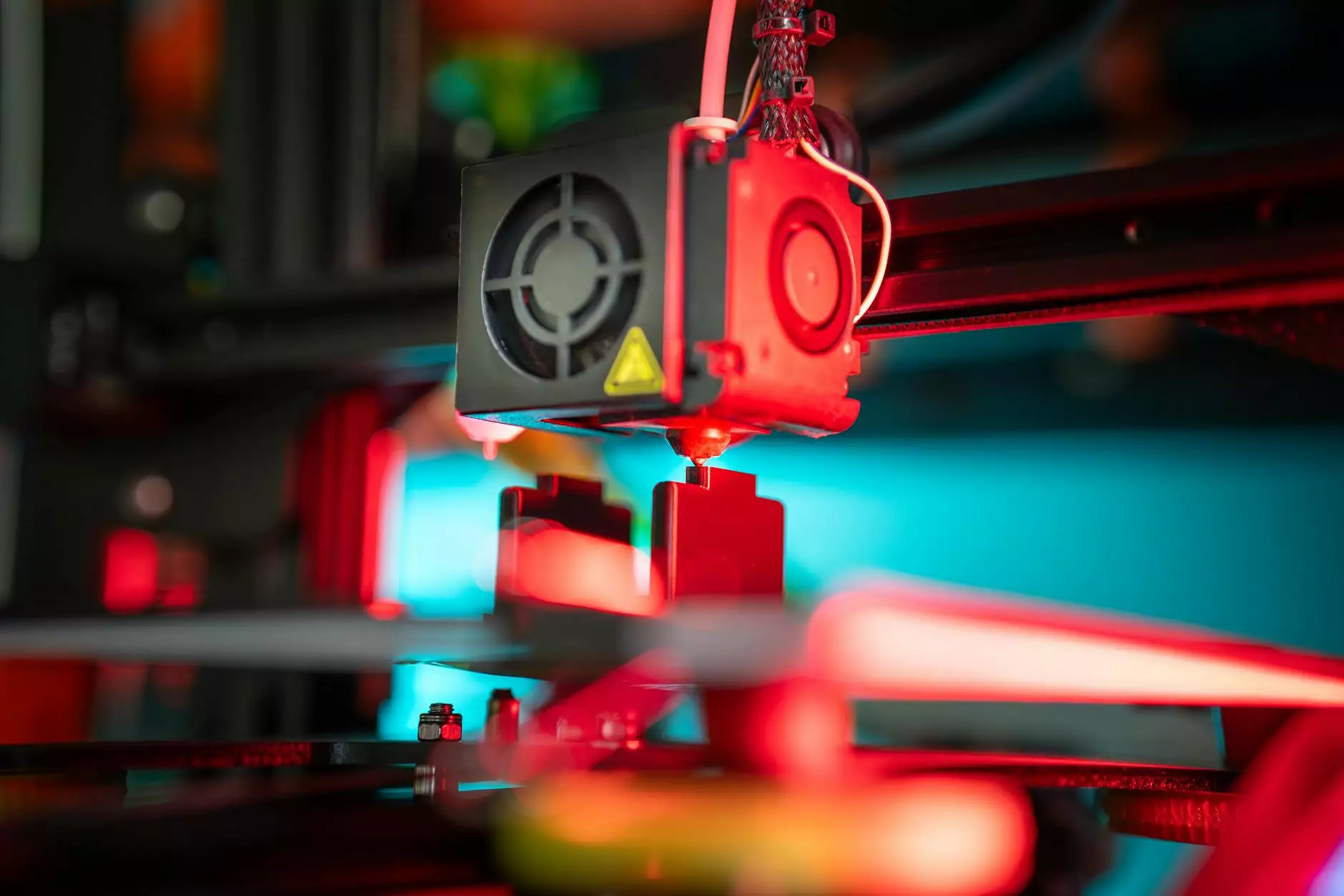
In today's fast-paced and ever-evolving industrial landscape, the demand for rapid and efficient product development is greater than ever. Companies, regardless of their size, are striving to bring their innovations to market swiftly while ensuring quality and functionality. One of the critical components in achieving this balance is the role of a plastic prototype manufacturer. In this article, we will delve deeply into the significance of plastic prototypes, their benefits, and how they integrate within the sphere of manufacturing and business.
Understanding Plastic Prototyping
Plastic prototyping refers to the creation of a precise model of a product using plastic materials. This process is essential for testing designs before mass production. Prototypes provide tangible representations, allowing manufacturers and stakeholders to evaluate the prototype's design, functionality, and overall feasibility.
Key Technologies in Plastic Prototyping
The technology behind plastic prototyping has advanced tremendously over the years. Below are some of the most prominent technologies utilized by a plastic prototype manufacturer:
- 3D Printing: A revolutionary method that creates objects layer by layer from a digital model, offering speed and customization.
- Stereolithography (SLA): This process involves using a laser to cure liquid resin into solid plastic, producing highly detailed models.
- Selective Laser Sintering (SLS): Utilizes a laser to sinter powdered material, forming complex structures that are ideal for functional testing.
- Injection Molding: A process where molten plastic is injected into a mold, which is critical for producing durable and high-quality prototypes.
The Advantages of Collaborating with a Plastic Prototype Manufacturer
Engaging with a specialized plastic prototype manufacturer can yield numerous benefits:
1. Speed to Market
In an era where speed is a significant competitive advantage, rapid prototyping services enable businesses to test ideas quickly and efficiently. Faster iterations allow companies to refine their products based on user feedback and market demands, ensuring that they seize opportunities while they last.
2. Cost-Effective Solutions
The investment in quality prototypes can lead to significant cost savings in the long run. By identifying design flaws and making adjustments before the final production run, manufacturers can avoid the expensive consequences of mass-producing defective items.
3. Enhanced Collaboration
Working closely with a plastic prototype manufacturer fosters enhanced collaboration among design teams, engineers, and stakeholders. With tangible prototypes available for inspection, all parties can provide feedback and insights that might be challenging to convey through digital models alone.
4. Versatile Application
Plastic prototypes can be used across various industries, including:
- Automotive: Designing functional parts and enhancing vehicle aesthetics.
- Consumer Goods: Testing ergonomics and usability for household products.
- Health and Medical: Creating models for surgical tools or devices that require precision and regulatory approval.
The Process of Prototyping with a Plastics Manufacturer
The prototyping process is systematic, ensuring quality and efficiency at every stage. Here is a typical workflow when collaborating with a plastic prototype manufacturer:
Step 1: Conceptualization
This initial phase involves brainstorming ideas and formulating a design concept. Engineers and designers often create sketches or 3D models to visualize the product.
Step 2: Material Selection
Choosing the right materials is crucial. A reputable plastic prototype manufacturer will provide guidance on which plastics would best suit the desired functionality, longevity, and appearance of the prototype.
Step 3: Prototyping Technique Determination
Based on the product’s requirements, the manufacturer will recommend the most suitable prototyping technology, be it 3D printing, injection molding, or another method.
Step 4: Prototype Development
At this stage, the actual prototype is produced. This part of the process is often iterative, as adjustments may be necessary to meet functional requirements.
Step 5: Testing and Feedback
Once the prototype is developed, it undergoes thorough testing. Feedback from stakeholders is gathered to assess performance against expectations.
Step 6: Refinement
Based on the feedback received, the product may go through several rounds of refinements before it is declared production-ready.
Sustainability in Plastic Prototyping
Recent trends have shown a significant emphasis on sustainability in manufacturing processes. A modern plastic prototype manufacturer understands the importance of environmentally conscious practices. This includes using recyclable materials, reducing waste, and implementing energy-efficient manufacturing techniques.
Biodegradable Plastics
The rise of biodegradable plastics presents exciting opportunities for prototype manufacturing. Companies that focus on these materials can position themselves as environmentally responsible, attracting customers who prioritize sustainability.
Case Studies: Success Stories
Real-world applications of plastic prototyping illustrate its profound impact on product success. Here are two notable case studies:
Case Study 1: The Smartphone Revolution
One of the leading smartphone manufacturers utilized rapid prototyping to develop an innovative device. By working with a plastic prototype manufacturer, they rapidly iterated their design, testing various form factors and features. This ability to visualize and interact with prototypes allowed them to identify the most user-friendly interface, leading to a successful product launch that dominated the market.
Case Study 2: FDA-Approved Medical Devices
A medical device company faced challenges in meeting regulatory standards while designing a new type of surgical instrument. Partnering with a specialized plastic prototype manufacturer enabled them to create precise prototypes that underwent rigorous testing and certification. As a result, they achieved FDA approval faster than anticipated, bringing their life-saving device to healthcare professionals in record time.
Future Trends in Plastic Prototyping
As technology evolves, so does the field of plastic prototyping. Here are some trends to watch:
1. Automation and AI Integration
Incorporating AI into the prototyping process enhances efficiency and accuracy. Smart algorithms can optimize designs and streamline workflows, leading to better outcomes.
2. Advanced Material Development
The development of new plastics that offer enhanced properties, such as greater strength or flexibility, will continue to emerge, making prototypes even more reliable.
3. Customization and Personalization
Consumer demands for personalized products are rising. Media companies are beginning to explore how plastic prototyping can cater to these demands, leading to unique offerings that stand out in the marketplace.
Conclusion
The role of a plastic prototype manufacturer is indispensable in the modern industrial ecosystem. As companies strive to innovate and optimize their product offerings, the advantages of employing advanced prototyping techniques are clear. With speed to market, cost efficiency, enhanced collaboration, and sustainability at the forefront, businesses that leverage plastic prototyping will undoubtedly thrive. As we look to the future, embracing the trends and technologies will likely position forward-thinking manufacturers at the helm of their industries.
To learn more about how a plastic prototype manufacturer can elevate your business success, visit deepmould.net.