The Growing Business of Gardeners: Exploring the World of Pumpink
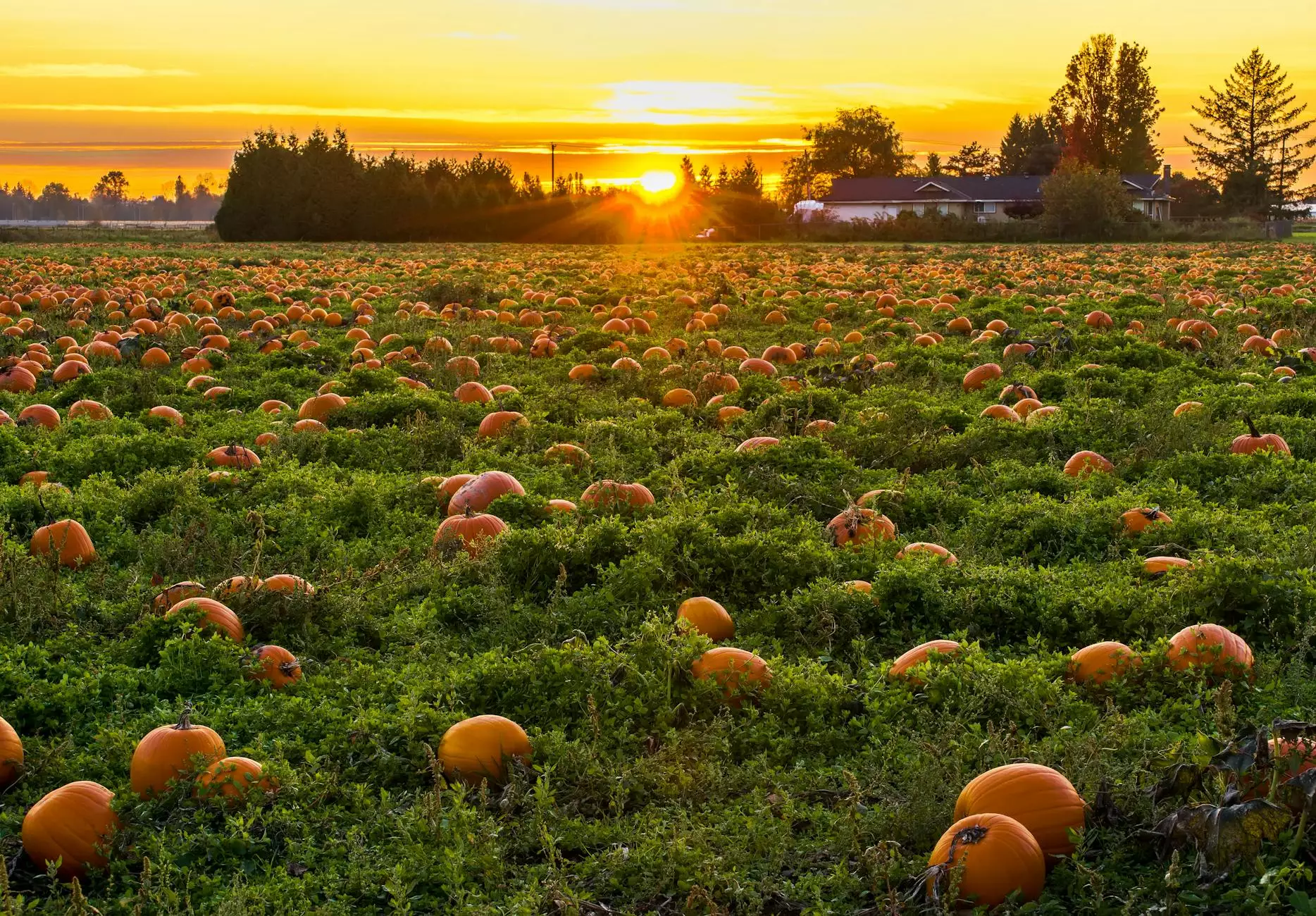
In recent years, the gardening sector has blossomed into a vibrant and profitable business, attracting enthusiasts and professionals alike. One particular trend gaining traction is the cultivation of pumpink, which has become increasingly popular among gardeners and consumers. In this comprehensive article, we will delve into the nuances of the gardening business, focusing specifically on the pumpink industry. This piece aims to equip garden enthusiasts, professionals, and potential business owners with valuable insights and strategies to succeed in this flourishing market.
Understanding the Gardening Business Landscape
The gardening industry is vast and multifaceted, covering a range of activities from cultivation to retail sales. According to recent studies, the global gardening market is projected to reach significant economic levels in the coming years. This upsurge is driven by various factors, including the growing interest in organic produce, sustainability, and home gardening.
Market Trends in Gardening
As society becomes increasingly health-conscious and environmentally aware, gardening has emerged as a popular hobby and profession. Here are some notable trends influencing the gardening business:
- Organic Gardening: There is a rising demand for organic produce. Gardeners who cultivate pumpink and other organic vegetables are finding a lucrative customer base eager to buy fresh, chemical-free products.
- Urban Gardening: With the rapid urbanization, many city dwellers are turning to gardening as a way to reconnect with nature. Container gardening and vertical gardening techniques are becoming more prevalent.
- Technology in Gardening: Innovative gardening tools and technology, such as smart irrigation systems and indoor gardening kits, are making gardening more accessible and efficient.
The Allure of Pumpink: Why It’s a Smart Business Choice
Pumpink has captured the hearts of gardeners for multiple reasons. Not only does it offer beauty and aesthetic value, but it also provides numerous commercial opportunities. Here’s why entering the pumpink business can be a wise decision:
Nutritional Value and Demand
Gardening enthusiasts are increasingly turned towards plants with functional benefits. Pumpink, celebrated for its nutritional richness, is a fantastic choice. High in vitamins A and C, and packed with antioxidants, pumpink appeals to health-conscious consumers. The increasing popularity of plant-based diets is fueling demand for quality pumpink products, from fresh fruit to processed goods.
Seasonal and Festive Sales
One of the distinct advantages of growing pumpink is the seasonality aspect. With events like Halloween and Thanksgiving in various cultures, the market demand for pumpink experiences significant spikes during these times. Gardeners can maximize profits through strategic planting schedules to ensure harvest aligns with these peak seasons.
Variety and Innovation
The pumpink market is not just limited to the classic orange variety. Innovative growers are experimenting with unique breeds such as white pumpink, blue pumpink, and ornamental varieties. Diversifying product offerings can attract niche markets and set a business apart from competitors.
Starting Your Pumpink Business: A Step-by-Step Guide
Launching a business centered around pumpink is both rewarding and challenging. Here’s a step-by-step guide to get started:
Step 1: Research and Planning
Conduct thorough market research to understand local demand for pumpink. Identify your target audience and analyze your competition. Use this information to formulate a solid business plan outlining your goals, budget, and strategies.
Step 2: Selecting the Right Seeds
Choosing the right seeds is crucial. Look for reputable seed suppliers that offer high-quality, disease-resistant pumpink seeds. Consider varieties that align with consumer trends and preferences.
Step 3: Choosing the Right Location
Identify an appropriate location for planting pumpink. It should have ample sunlight, good soil drainage, and access to water. Whether it's a home garden or a larger farming plot, ensure the land meets the necessary conditions for optimal growth.
Step 4: Planting and Care
Plant your seeds according to the optimal growing conditions and maintain a regular watering schedule. Pay attention to pest control and soil health, which are essential for cultivating a healthy pumpink crop. Regular monitoring will identify issues before they become problematic.
Step 5: Harvesting and Selling
Timing is everything when it comes to harvesting. Research the best time to pick your pumpink to ensure they meet consumer expectations regarding size, taste, and quality. Explore various channels to sell your pumpink, such as farmers' markets, local grocery stores, and online platforms.
Marketing Your Pumpink Business
Once your pumpink business is up and running, effective marketing strategies are essential for attracting customers. Here are some proven methods to promote your business:
Leveraging Social Media
Utilize social media platforms like Instagram, Facebook, and Pinterest to showcase your pumpink products. Share engaging content, gardening tips, recipes, and the story of your business to connect with potential customers.
Building a Local Community
Engage with your local community by hosting workshops, garden tours, or volunteer programs. Connecting with fellow gardeners and consumers will enhance your brand reputation and foster loyalty.
Online Presence
Establish a professional website featuring your pumpink products. Invest in SEO to improve your visibility on search engines, and consider writing a blog to share valuable tips and knowledge about gardening, focusing on pumpink cultivation.
Challenges in the Gardening Business
Like any business, the pumpink sector has its challenges. Awareness of potential hurdles can better prepare you for success:
Weather Dependence
Gardening is significantly influenced by weather conditions. Drought or excessive rain can damage crops and affect yields. Planning for contingencies, such as irrigation options or protective coverings, can mitigate weather-related risks.
Pest and Disease Management
Pests and diseases pose significant threats to pumpink crops. Implement integrated pest management strategies to protect your plants and minimize losses.
Conclusion: Embrace the Pumpink Opportunity
The world of gardening presents an exciting landscape full of opportunities, especially in the niche market of pumpink. With the right strategies, knowledge, and passion, one can thrive in this rewarding business. As the demand for homegrown, organic, and festive pumpink products continues to rise, there has never been a better time to explore or expand your gardening business. Whether you are a seasoned gardener or a newbie, the pathway to success in the pumpink market is ripe for the taking. Dive in, cultivate your passion, and watch your gardening business flourish.