Understanding the Procedure of Hysteroscopy: A Comprehensive Guide
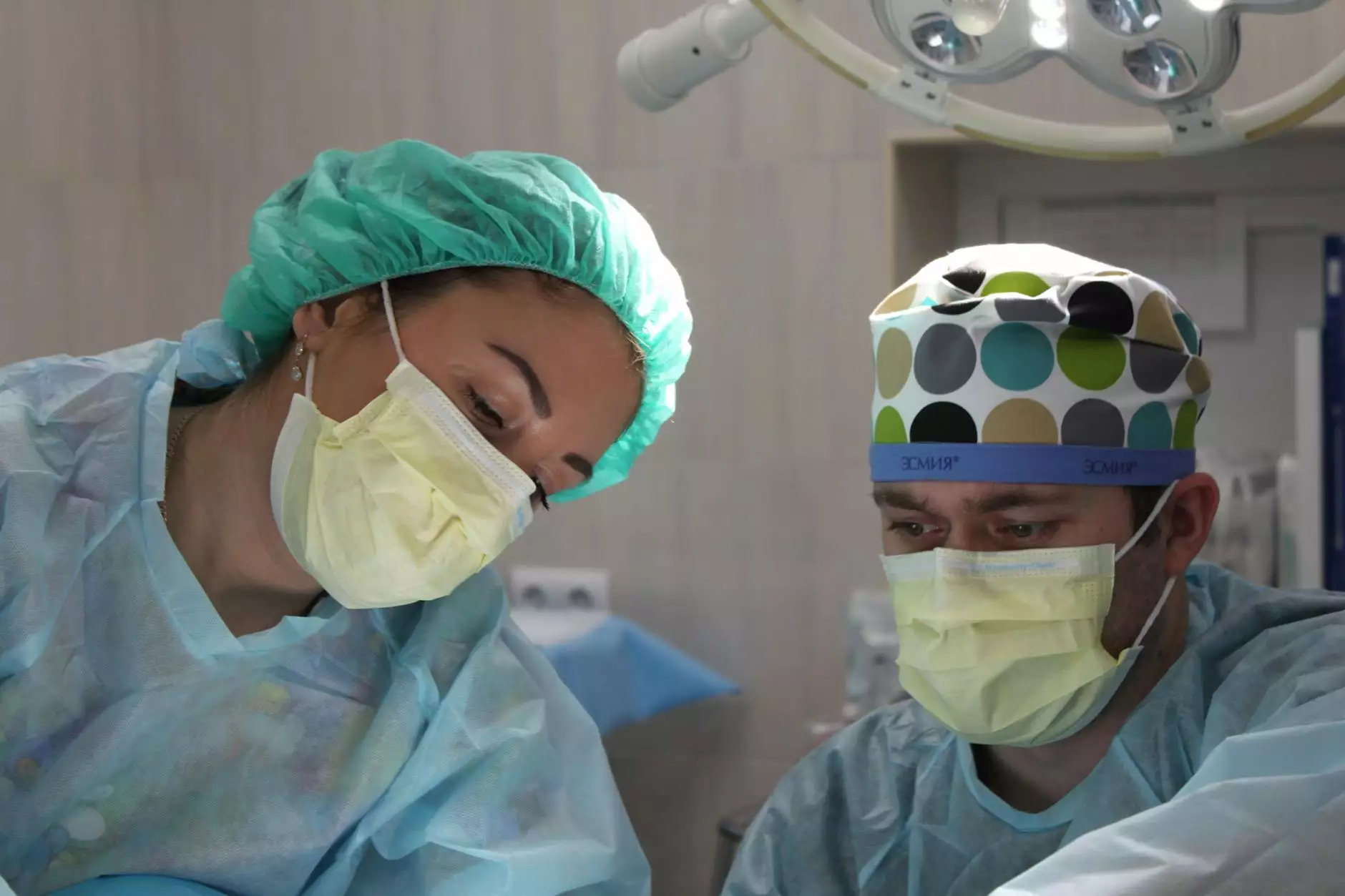
The procedure hysteroscopy is a minimally invasive surgical technique used by obstetricians and gynecologists to examine the interior of the uterus. Hysteroscopy allows physicians to diagnose and treat various uterine conditions, providing women with a clearer understanding of their reproductive health. This article explores the hysteroscopy procedure in detail, including its benefits, the process involved, potential risks, and recovery, guiding you toward informed health choices.
What is Hysteroscopy?
Hysteroscopy is a diagnostic and therapeutic procedure that utilizes a slender, lighted instrument called a hysteroscope, which is inserted through the vagina and cervix into the uterus. This procedure is instrumental in identifying uterine pathologies such as:
- Uterine Polyps
- Fibroids
- Uterine Septum
- Endometrial Hyperplasia
- Intrauterine Adhesions (Asherman's syndrome)
By performing this procedure, healthcare providers at DrSeckin.com can accurately diagnose conditions, recommend appropriate treatment, and enhance women's reproductive health.
Benefits of Hysteroscopy
The procedure hysteroscopy presents several advantages over traditional surgical methods, including:
- Minimally Invasive: Hysteroscopy does not require large incisions, significantly reducing recovery time and discomfort.
- Immediate Diagnosis: It allows for real-time visualization, facilitating prompt diagnosis and treatment.
- Reduced Hospital Stay: Many procedures can be performed on an outpatient basis, allowing patients to return home the same day.
- Enhanced Recovery: With fewer complications and a shorter healing period, patients can expect quicker returns to their daily activities.
The Hysteroscopy Procedure
Understanding the steps involved in the procedure hysteroscopy is essential for anyone considering the procedure. Here’s a detailed overview:
Preparation for Hysteroscopy
Before the procedure, patients will undergo the following:
- Medical History Review: A comprehensive evaluation of the patient's medical history, including any previous surgeries and current medications.
- Physical Examination: A pelvic exam to assess the overall health of the reproductive system.
- Preoperative Instructions: Guidelines regarding medication use, fasting, and what to expect on the day of the procedure.
The Procedure
The hysteroscopy typically follows these steps:
- Anesthesia: Depending on the complexity of the procedure and patient preference, either local or general anesthesia may be used.
- Preparation: The patient is positioned comfortably, and the vagina is cleaned with antiseptic.
- Insertion of Hysteroscope: The hysteroscope is carefully inserted through the vaginal canal and into the uterus, offering a clear view of the uterine lining.
- Observation: The physician examines the uterus for abnormalities, which could include polyps, fibroids, or signs of infection.
- Intervention (if necessary): If any issues are detected, the physician may perform minor surgical procedures, such as the removal of polyps or fibroids, using specialized instruments through the hysteroscope.
Post-Procedure Care
After the procedure hysteroscopy, patients are monitored briefly before being sent home. Common post-operative recommendations may include:
- Rest: Patients should rest for the remainder of the day after the procedure.
- Avoiding Strenuous Activity: Limiting physical exertion for a few days to allow for healing.
- Pain Management: Over-the-counter pain relief may be suggested to manage discomfort.
- Monitoring Symptoms: Patients are advised to watch for any unusual symptoms, such as severe pain, heavy bleeding, or fever, which should be reported to their healthcare provider.
Potential Risks and Complications
Like all medical procedures, hysteroscopy carries some risks. Although serious complications are rare, it is essential to be aware of:
- Pain: Some discomfort during and after the procedure is normal.
- Infection: There is a slight risk of developing an infection following the procedure.
- Bleeding: Some light bleeding may occur, but heavy bleeding should be reported.
- Uterine Perforation: In rare cases, the hysteroscope could perforate the uterus wall.
- Anesthesia Risks: As with any procedure requiring anesthesia, there are associated risks.
Patients should consult with their physician about these possible risks to understand the benefits versus the potential complications of the procedure hysteroscopy.
Recovery and Follow-up
After the procedure, a follow-up appointment is usually scheduled to review findings and discuss any necessary treatment. The recovery period varies, but generally, patients can expect:
- Short Recovery Time: Most women return to normal activities within a few days.
- Gradual Return to Normal: Women are encouraged to resume light activities as tolerated, while heavier activities should be avoided for at least one week.
- Monitoring for Symptoms: It is essential to monitor for any adverse symptoms during recovery.
Follow-up communication with healthcare providers at DrSeckin.com ensures patients make informed choices about their reproductive health moving forward.
Conclusion
The procedure hysteroscopy is a vital component of modern gynecological practice, offering women a safe and effective means of diagnosing and treating uterine conditions. With its numerous benefits, including minimal invasiveness and quick recovery, hysteroscopy stands out as a key tool in maintaining women's health. By understanding the procedure's process, benefits, and potential risks, women can engage actively in their healthcare decisions. For more information or to schedule an appointment with an experienced specialist, visit DrSeckin.com today.