Understanding **CT Scans for Lung Cancer**: A Comprehensive Guide
In the realm of health and medical advancements, the importance of accurate diagnostic techniques cannot be overstated. Among various diagnostic tools, CT scans for lung cancer stand out as a crucial method in the early detection and management of this disease. In this article, we will delve into the intricacies of CT scans, their significance in lung cancer diagnosis, and the broader implications for patient care.
What is a CT Scan?
A CT scan, or computed tomography scan, is a sophisticated imaging technique that utilizes X-rays to produce detailed cross-sectional images of the body. Unlike traditional X-rays, CT scans provide a comprehensive view of internal structures, enabling healthcare professionals to diagnose conditions with greater accuracy. For lung cancer detection, CT scans are often the first line of imaging investigation, allowing for the identification of tumors, nodules, and other abnormalities within the lungs.
The Role of CT Scans in Lung Cancer Detection
Lung cancer remains one of the leading causes of cancer-related deaths worldwide, making timely diagnosis imperative. CT scans play a pivotal role in:
- Early Detection: CT scans can detect lung cancer at an earlier stage than traditional imaging methods, increasing the chances of successful treatment.
- Staging the Cancer: After a diagnosis, CT scans help in determining the extent (or stage) of cancer, crucial for treatment planning.
- Monitoring Treatment Efficacy: CT scans assist in assessing how well the treatment is working by comparing pre- and post-treatment images.
- Guided Biopsies: CT imaging can guide physicians in performing biopsies of suspicious areas within the lungs for accurate diagnosis.
How Does the CT Scan Process Work?
The process of undergoing a CT scan is generally straightforward:
- Preparation: Patients may be advised to change into a hospital gown and remove any metal objects that could interfere with imaging.
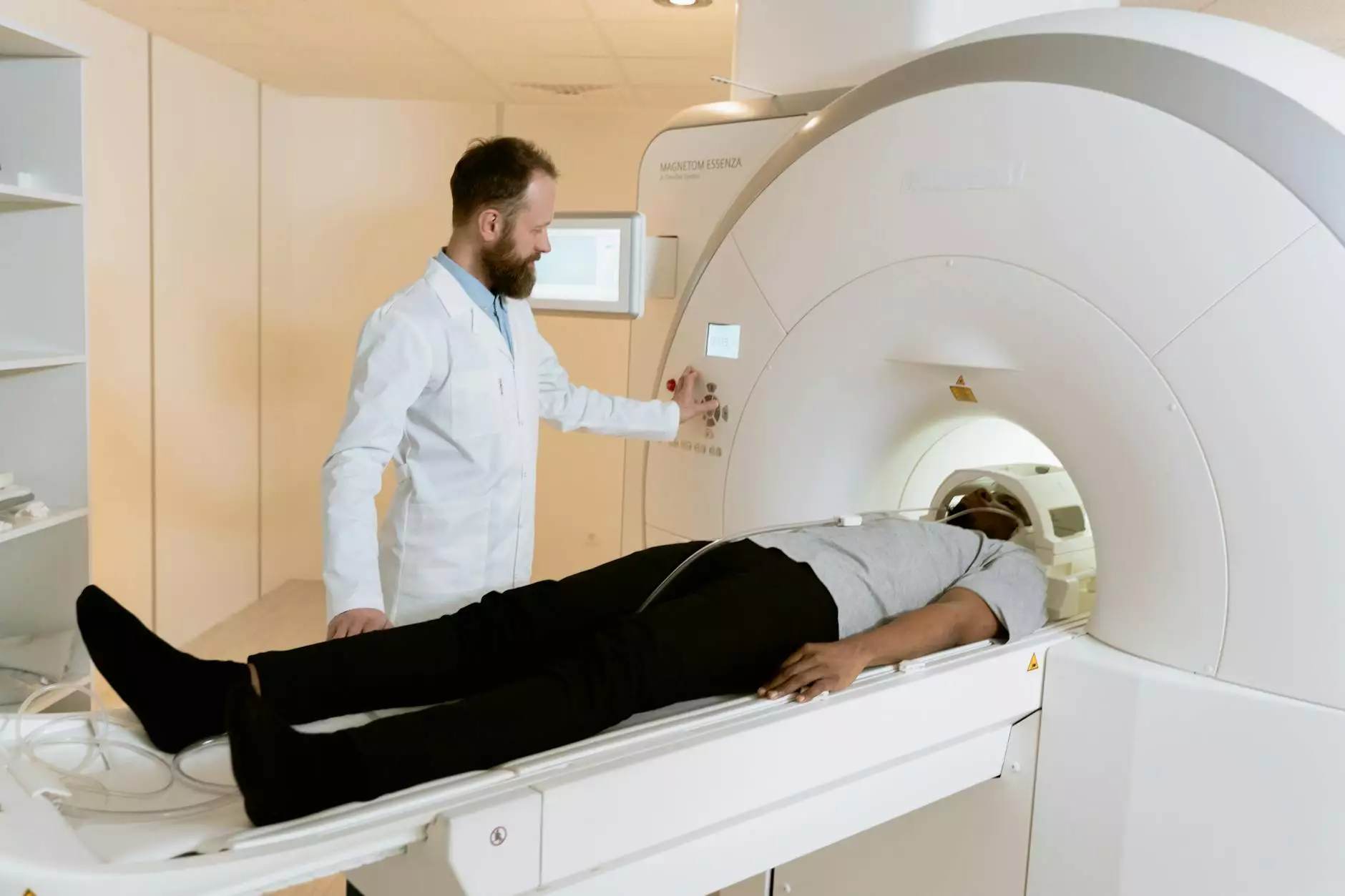
- Positioning: The patient lies on a motorized table that moves through the CT machine, which resembles a large doughnut.
- Imaging: As the scan is conducted, the machine rotates around the patient, taking a series of images from different angles. This process typically lasts less than 30 minutes.
- Post-Procedure: Patients can usually resume normal activities immediately after a CT scan, unless advised otherwise.
Types of CT Scans for Lung Cancer
Various CT scan protocols can be employed for lung cancer screening and diagnosis:
- Low-Dose CT Scans: Recommended for high-risk individuals (like long-term smokers), this type of scan reduces radiation exposure while maintaining image quality.
- Contrast-Enhanced CT Scans: Involving a contrast dye, these scans provide greater detail and clarity, aiding in identifying cancers and assessing lymph nodes.
- Follow-Up Scans: Patients diagnosed with lung cancer may undergo periodic CT scans to monitor tumor progression and the effects of treatment.
The Benefits of CT Scans for Lung Cancer Patients
Utilizing CT scans for lung cancer offers several notable benefits:
- Quick Results: CT scans produce images rapidly, facilitating timely diagnosis and treatment decisions.
- Non-Invasive: The procedure is non-invasive, posing minimal risk to the patient while providing critical information.
- High Sensitivity: CT scans are particularly sensitive to small tumors, allowing for detection when chances of successful intervention are highest.
- Effectively Guides Treatment: Information obtained from CT scans helps doctors to tailor treatment plans specific to the patient's condition and needs.
What to Expect During a CT Scan for Lung Cancer
For patients apprehensive about undergoing a CT scan for lung cancer, understanding what to expect can ease anxiety:
- Initial Consultation: Patients may have an initial consultation with their healthcare provider to discuss the need for a CT scan.
- The Day of the Scan: On the day of the scan, patients will have thorough guidance on the procedure and what they need to do.
- After the Scan: Patients will receive results typically within a few days. Discussing results with healthcare providers will help outline the next steps.
Risks and Considerations of CT Scans
While CT scans are generally safe, some considerations include:
- Radiation Exposure: CT scans expose patients to a higher dose of radiation compared to regular X-rays. However, the benefits often outweigh the risks, particularly for high-risk individuals.
- Contrast Reactions: For those undergoing contrast-enhanced scans, there is a minimal risk of allergic reaction to the contrast dye.
- Not Suitable for Everyone: Pregnant women and individuals with specific health conditions may need to explore alternative imaging options.
Advancements in CT Imaging Technology
With technological advancements, CT imaging continues to evolve. Modern CT scanners offer improved resolution, faster imaging times, and reduced radiation doses. Innovations such as multi-slice CT and artificial intelligence-assisted imaging are enhancing diagnostic accuracy, allowing healthcare professionals to detect cancers earlier and more reliably.
Conclusion: The Impact of CT Scans on Lung Cancer Outcomes
CT scans for lung cancer represent a vital tool in the fight against this devastating disease. Their ability to provide early diagnoses significantly improves patient outcomes, paving the way for more effective treatment strategies. As patients and healthcare providers continue to collaborate, understanding the role of CT scans in lung cancer diagnosis will empower individuals to make informed choices about their health.
Ultimately, embracing advancements in medical imaging, including CT scans, enhances the overall quality of care in the health and medical fields. Always consult with your healthcare provider to discuss individual risks and benefits associated with CT scans.
Further Resources
For more information on CT scans and lung cancer, you may find the following resources helpful:
- National Cancer Institute on CT Scans
- American Lung Association: Lung Cancer Information
- Hello Physio: Health & Medical Services