Revolutionizing Hair Restoration with Cutting-Edge Hair Cloning Technology

Emergence of Hair Cloning: A Paradigm Shift in Hair Loss Treatment
The landscape of hair restoration is undergoing a dramatic transformation thanks to groundbreaking advancements in hair cloning technology. Once considered a science-fiction concept, hair cloning has become a promising frontier that offers hope to millions experiencing hair loss worldwide. This revolutionary approach taps into the potential of regenerative medicine, cellular biology, and bioengineering to fundamentally change how hair loss is addressed. Medical centers specializing in hair cloning are pioneering these developments, making it feasible to restore natural, dense hair without the limitations that traditional methods face.
Understanding Hair Cloning: The Science Behind the Innovation
Hair cloning involves extracting hair follicle cells from a patient, culturing these cells in a laboratory to multiply their number, and then reintroducing them into the scalp to stimulate new hair growth. Unlike traditional hair transplant techniques, which relocate existing follicles, hair cloning aims to produce an almost limitless supply of hair follicles, providing an effective solution for extensive hair loss cases.
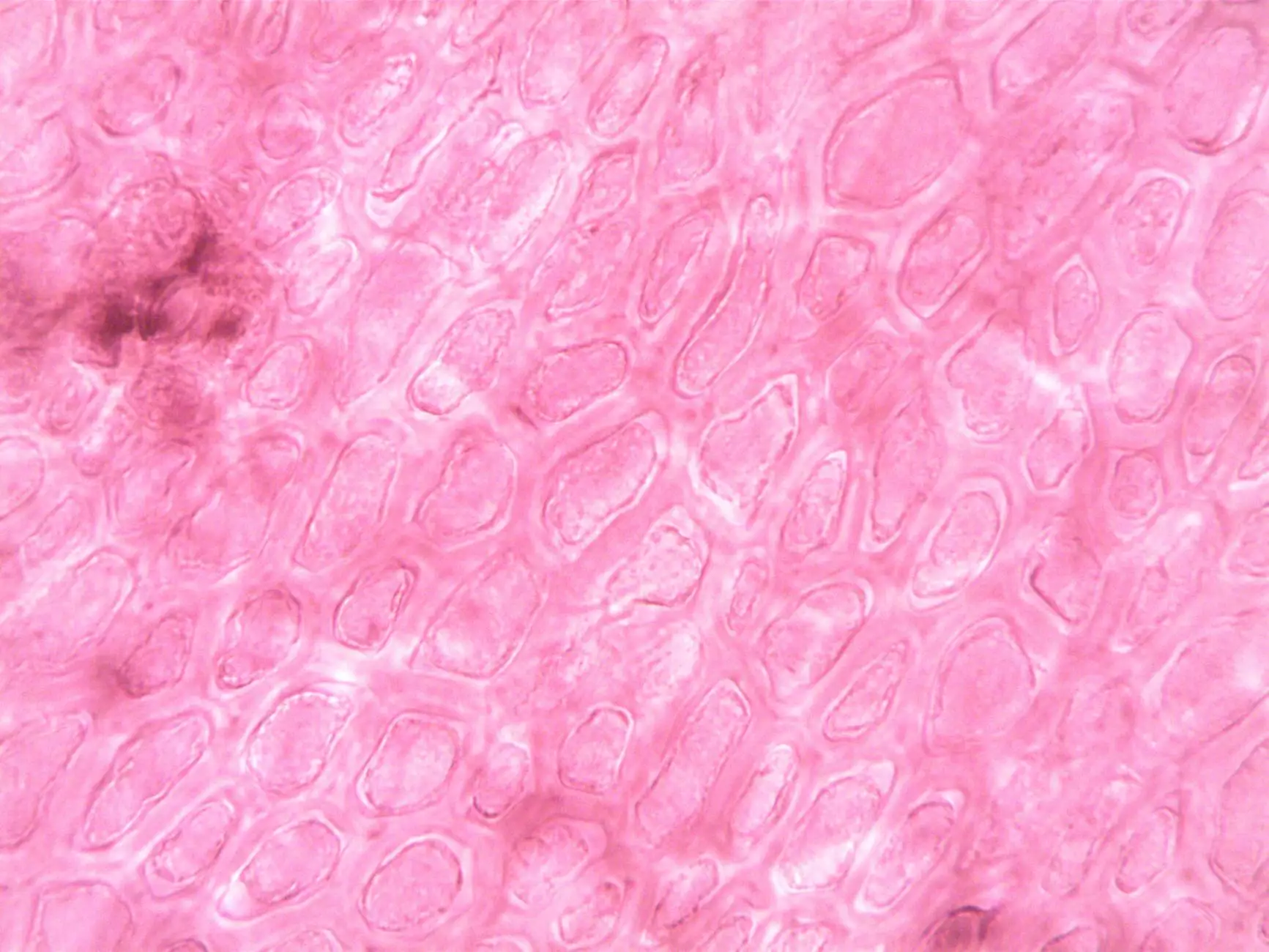
The core scientific principle of hair cloning revolves around cell proliferation. Specifically, dermal papilla cells and keratinocytes—the primary cells responsible for hair follicle development—are harvested and cultivated in vitro to generate a large number of viable hair-producing cells. These cells are then implanted into areas where hair is thinning or balding, encouraging the formation of new, healthy follicles.
Advantages of Hair Cloning: Why It Represents the Future of Hair Restoration
- Unlimited Hair Supply: Unlike conventional transplants, hair cloning has the potential to produce virtually limitless hair follicles, making it suitable for extensive baldness.
- Natural-Looking Results: Since cloned hair follicles are derived from the patient’s own cells, the resulting hair seamlessly matches existing hair in color, texture, and growth pattern.
- Painless and Minimally Invasive: The procedures involved are less invasive compared to traditional surgical methods, significantly reducing discomfort and recovery time.
- Reduced Donor Area Limitations: Conventional hair transplants are constrained by the availability of donor hair; hair cloning circumvents this limitation entirely.
- Potential for Complete Restoration: This technology holds the promise of restoring a full head of hair, even in advanced cases of alopecia.
- Long-Term, Sustainable Results: Cloned hair follicles integrate naturally, providing durable and natural growth over time.
The Technological Process of Hair Cloning: Step-by-Step Overview
1. Diagnostic and Evaluation Phase
The process begins with a comprehensive assessment by specialized medical professionals at hairtrans.net. Diagnosing the extent of hair loss, scalp health, and hair follicle density is crucial for planning a personalized hair cloning treatment.
2. Cell Harvesting
A small sample of scalp tissue, containing healthy hair follicles, is carefully extracted under local anesthesia. This minimally invasive procedure ensures patient comfort and preserves scalp integrity.
3. Laboratory Culturing
The harvested follicular cells are cultured in state-of-the-art laboratories. This process involves stimulating cell proliferation under sterile conditions, often taking several weeks, to generate a large volume of hair follicle cells suitable for implantation.
4. Quality Control and Preparation
Before implantation, the cultured cells undergo rigorous testing to ensure viability and purity. The goal is to prepare a ready supply of cultivation-verified hair follicle cells that can reliably produce new hair.
5. Re-Implantation into Scalp
Using advanced injection techniques or micropunch methods, the cultured cells are implanted into targeted areas of the scalp. The placement is meticulously planned to replicate natural hair growth patterns.
6. Post-Treatment Care and Monitoring
Following the procedure, patients receive customized post-care instructions to optimize healing and hair growth. Regular follow-up appointments ensure the success of the treatment, with some cases requiring multiple sessions for optimal results.
Scientific Research and Clinical Trials Supporting Hair Cloning
The journey toward fully operational hair cloning techniques has been supported by extensive scientific research. Universities, biotechnology firms, and medical centers dedicated to hair restoration have collaborated to overcome challenges such as cell viability, immune rejection, and scalability. Notable breakthroughs include the successful cultivation of dermal papilla cells and the demonstration of their capacity to induce hair follicle formation in animal models.
Recent clinical trials have reported promising outcomes, with patients experiencing new hair growth that continues to develop over months. While widespread commercial availability is still emerging, these studies underscore the potential of hair cloning to revolutionize the industry and provide long-lasting solutions for hair loss.
The Future of Hair Cloning: Prospects and Challenges
Innovations on the Horizon
- 3D Bio-Printing: Combining 3D printing with tissue engineering to create hair follicle scaffolds and facilitate more precise implantation.
- Gene Editing: Utilizing CRISPR technology to enhance follicle regeneration and minimize genetic predispositions to hair loss.
- Automated Laboratory Processes: Developing automated culturing systems for scalable, cost-effective production of cloned hair follicles.
Challenges to Overcome
- Cell Stability: Ensuring long-term viability and functional integration of cloned hair follicles.
- Safety and Regulatory Approvals: Navigating regulatory hurdles to ensure patient safety and treatment efficacy.
- Cost and Accessibility: Making hair cloning affordable and accessible to a broader population.
Despite these challenges, the trajectory of hair cloning research indicates a promising future where hair loss treatments are more effective, personalized, and natural than ever before.
Transforming Lives: How Hair Cloning Is Restoring Confidence and Self-Esteem
The advent of hair cloning technology not only offers a solution to hair loss but also helps restore confidence, self-esteem, and a sense of normalcy for countless individuals. As medical centers such as those featured on hairtrans.net continue to advance their capabilities, the potential for comprehensive, natural, and permanent hair restoration becomes increasingly attainable.
This innovative approach represents more than just a treatment—it symbolizes hope for those who have struggled with hair loss stigma, aging, or medical conditions affecting hair growth. The future is bright, with hair cloning poised to become the gold standard in hair restoration, fundamentally changing how we view and treat baldness.