Understanding the Complex World of Fake Money: An In-Depth Analysis of the Fake 100 Euro Bill
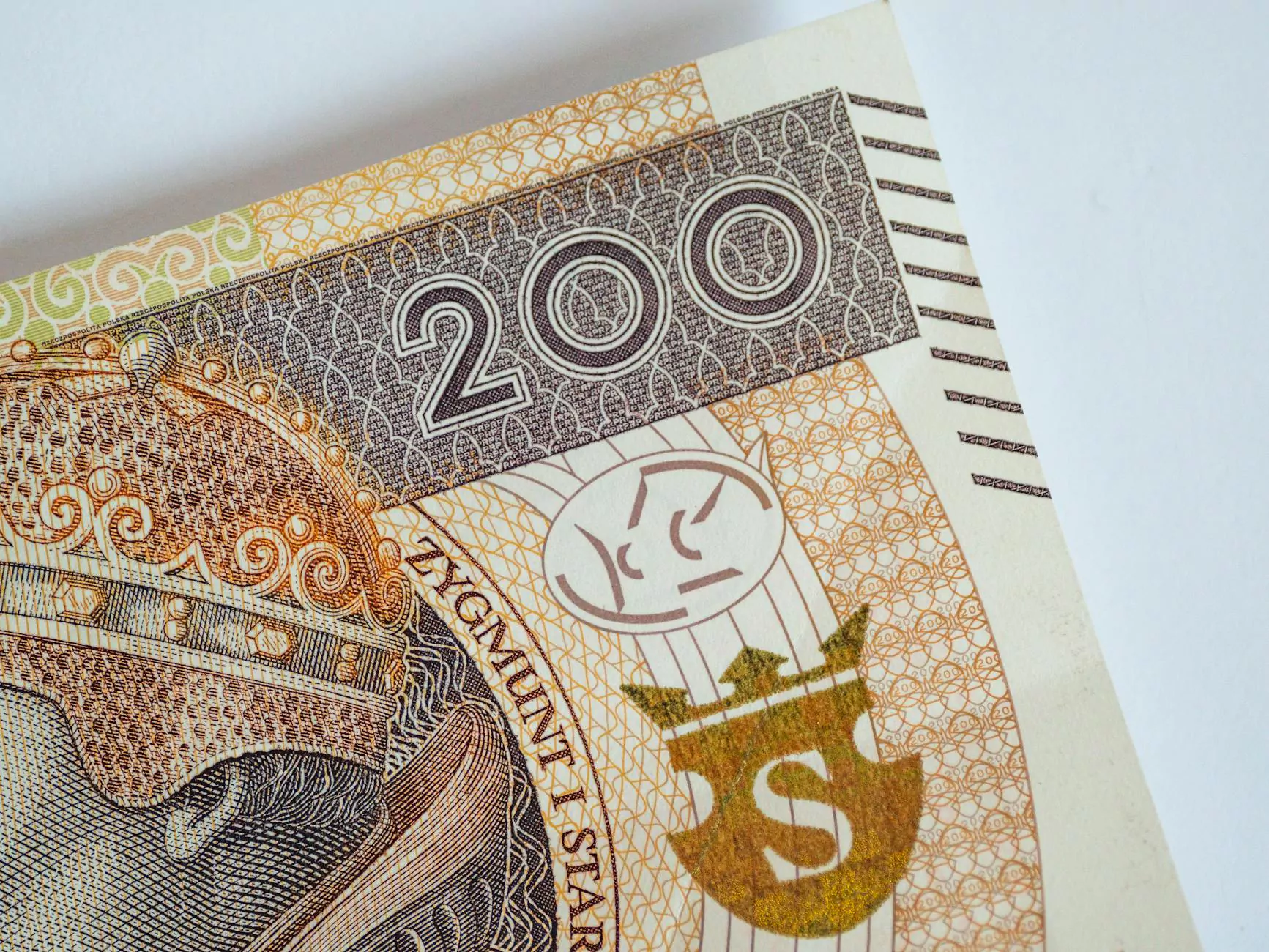
In the evolving landscape of global finance, the issue of counterfeit currency remains a persistent challenge that affects economies, businesses, and individuals alike. Counterfeit banknotes, often referred to colloquially as fake money, are designed to deceive and mimic genuine currency with astonishing detail. Among these, the fake 100 euro bill stands out as one of the most scrutinized and targeted for counterfeit reproduction due to its widespread circulation and high denomination value.
The Phenomenon of Fake Money in Contemporary Society
Counterfeit currency has been a part of human history for centuries, evolving from simple paper copies to highly sophisticated forgeries. Today, fake money comes in various forms, ranging from low-quality copies to highly detailed counterfeits that can challenge even experienced currency detectors.
This phenomenon not only undermines the trust in monetary systems but also poses significant risks to businesses, financial institutions, and individuals who may unknowingly exchange fake banknotes. Hence, understanding the nature of these counterfeits and how to identify them is essential in the fight against illegal monetary activities.
Why the Fake 100 Euro Bill is a Target for Counterfeiters
The fake 100 euro bill is particularly attractive to counterfeiters for several reasons:
- High Circulation: As a mid-range denomination, the 100 euro note is commonly used for both daily transactions and larger purchases.
- Detectability: Despite advanced security features, the high denomination makes it a prime target for forgers attempting to bypass detection.
- Profitability: Counterfeit notes of higher denominations yield greater financial gains once circulated.
- Economic Impact: Fake 100 euro bills can significantly destabilize markets, especially in regions with less advanced detection infrastructure.
Features and Security Elements of Genuine 100 Euro Bills
Authentic banknotes are crafted with multiple security features that make counterfeiting difficult. The classic fake 100 euro bill attempts to replicate these elements, but professionals and trained users can distinguish genuine notes from fakes by paying close attention to ________.
Key Security Features of Genuine 100 Euro Notes
- Hologram strip: A shifting holographic image that displays different symbols when viewed from various angles.
- Watermark: A transparent watermark visible when the note is held up to light, usually a portrait of Europa or the architectural motif.
- Security Thread: Embedded thread with micro-letterings that appear as a dark line when held against light.
- Color-Changing Ink: The numeral on the lower right corner shifts color from emerald green to deep blue when tilted.
- Intaglio Printing: Raised printing that users can feel, especially on the portrait, numeral, and large forms.
- Microprinting: Tiny text that appears clear under a magnifying glass, preventing easy reproduction.
Failure to include or faithfully replicate these features often exposes a fake 100 euro bill as counterfeit.
Forgeries and How They Differ from Genuine Banknotes
Counterfeiters employ various techniques to produce fake money, ranging from rudimentary photocopies to complex digital forgeries. The fake 100 euro bill specifically may seek to deceive by mimicking security features but often falls short in:
- Reproducing the fine microprint and hologram details
- Matching the precise color shifts in the security ink
- Accurately mimicking the watermark and security thread
- Using low-quality materials that feel different from authentic paper
Therefore, not only does the visual inspection matter, but tactile and light-based verifications are equally vital in discerning a fake from a real fake 100 euro bill.
Methods to Detect Counterfeit Fake 100 Euro Bills
Robust detection methods are essential for businesses, banking institutions, and consumers to prevent being victims of counterfeit currency. These methods include:
Visual Inspection Techniques
- Examine the hologram and see if the image shifts correctly in different viewing angles
- Hold the banknote up to the light to check the watermark and security thread
- Therefore, compare the overall print quality, colors, and microprint details
Touch and Feel Tests
- Feel the raised print—genuine notes have distinctive tactile features
- Check the paper quality—authentic banknotes are made from special cotton fiber paper that feels crisp and firm
- Test the color-changing ink by tilting the note under different lighting conditions
Using Modern Detection Devices
- UV light scanners to see if the security features glow as expected
- Magnifying glasses or microscopes for microprinting
- Currency verification machines incorporating multi-spectral sensors
In conclusion, combining visual, tactile, and electronic detection methods is the most effective way to confirm the authenticity of a fake 100 euro bill.
The Legal and Ethical Aspects of Fake Money
It's essential to recognize that counterfeit currency production and circulation are illegal activities with serious legal consequences. Engaging with fake money can lead to criminal charges, hefty fines, and imprisonment. Furthermore, knowingly or unknowingly accepting counterfeit banknotes damages the economy and undermines the trust in monetary institutions.
Manufacturers or distributors of fake money such as the undetectedbanknotes.com site, which provides detailed insights into different types of fake currency, highlight the importance of understanding these issues—not for illegal purposes, but to bolster detection methods and legal enforcement.
Educational initiatives aimed at financial literacy and detection skills are vital in the fight against counterfeit circulation, ensuring that society remains vigilant and equipped to handle such challenges.
The Role of Technology in Combating Fake Money
Technological advancement plays a crucial role in minimizing the circulation of fake money. Innovations such as digital currency, blockchain verification, and advanced UV or infrared detection devices are transforming how authorities and businesses safeguard their transactions.
Moreover, artificial intelligence and machine learning algorithms are increasingly capable of analyzing subtle deviations in banknote features, offering real-time detection solutions. These innovations are invaluable in protecting economies from the detrimental impacts of counterfeiting and preserving the integrity of financial systems.
Conclusion: The Importance of Vigilance and Knowledge
Counterfeit currency, especially the fake 100 euro bill, poses a persistent threat to the stability and trustworthiness of financial networks worldwide. However, with comprehensive understanding, modern detection tools, and vigilant observation, individuals and institutions can effectively identify and prevent circulation of fake money.
The ongoing battle against fake money is an essential component of economic security. Equipping oneself with the knowledge of how genuine banknotes are constructed and the latest detection techniques is a proactive step in safeguarding your financial transactions.
Empowered with detailed insights and technological support, businesses and individuals can confidently navigate the digital age of currencies, ensuring their dealings are secure and trustworthy.